Global News Hub

Next refresh

← Back to News from China

News from China — Archive

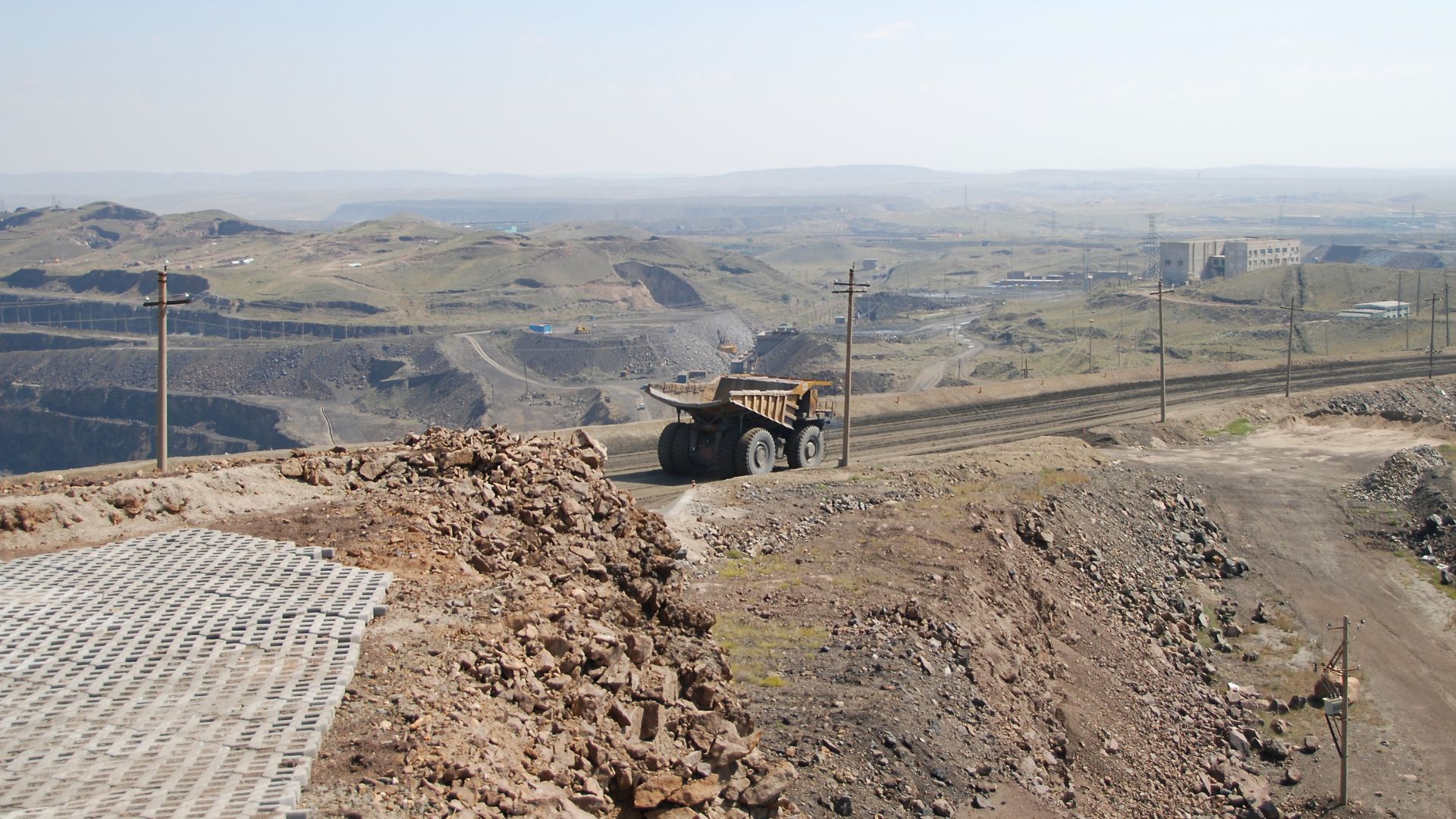
China Expands World's Largest Rare Earth Mine by 50%

China is investing $74 million to expand the Bayan Obo mining complex in Inner Mongolia, increasing annual mining capacity by 50% to reach 15 million tonnes. Although the project focuses on iron ore production, Bayan Obo is also recognized as the world's largest known rare earth deposit.

This expansion demonstrates China's continued investment in securing its dominance in rare earth mineral production, which are critical for modern technology and manufacturing. The significant capacity increase underscores the strategic importance China places on maintaining control over these essential resources for both domestic use and global supply chains.

Sources: Interesting Engineering

Chinese Basketball Outlook Remains Optimistic Despite Lack of Global Superstar

Senior figures in the Asian University Basketball League believe Chinese basketball has a bright future despite the country's failure to produce another player of Yao Ming's caliber. The assessment suggests sufficient emerging talent exists for China to potentially reclaim its position as the top basketball power in the Asian region.

While Chinese men's basketball has faced challenges in recent years and fallen behind regionally without a dominant global superstar, the optimism from league leadership indicates confidence in the pipeline of developing players. This perspective suggests that regional dominance may be achievable even without producing another Hall of Fame-level talent.

Sources: South China Morning Post

South Korean Tourism to China Surges on Visa-Free Access and Proximity

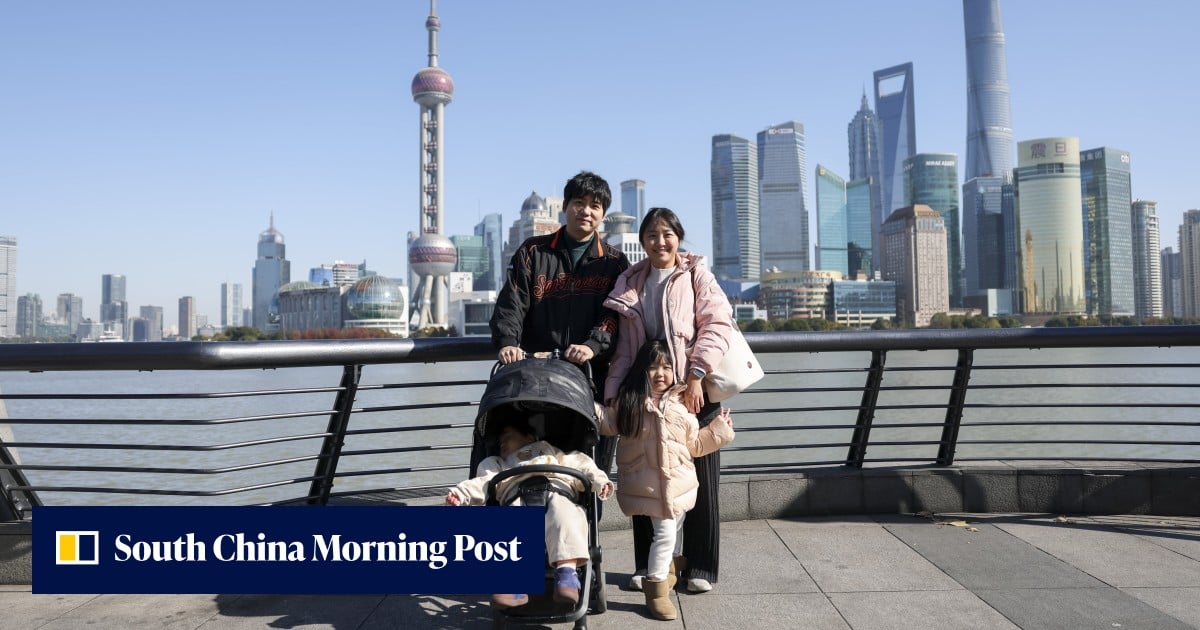
Approximately 1.7 million South Koreans visited China in the first half of 2026, representing a 16% increase compared to the same period in the previous year. The surge in travel is being driven by visa-free entry policies and the short flight distances between the two countries, making weekend trips increasingly accessible and affordable.

The growth in South Korean visitors reflects the appeal of China as a convenient and cost-effective destination. Travelers cite the proximity, affordability, and opportunity to explore new cities as key motivations, suggesting that policy changes facilitating visa-free travel have successfully stimulated tourism flows between the neighboring countries.

Sources: South China Morning Post

Ancient China Valued Physical Strength and Military Fitness

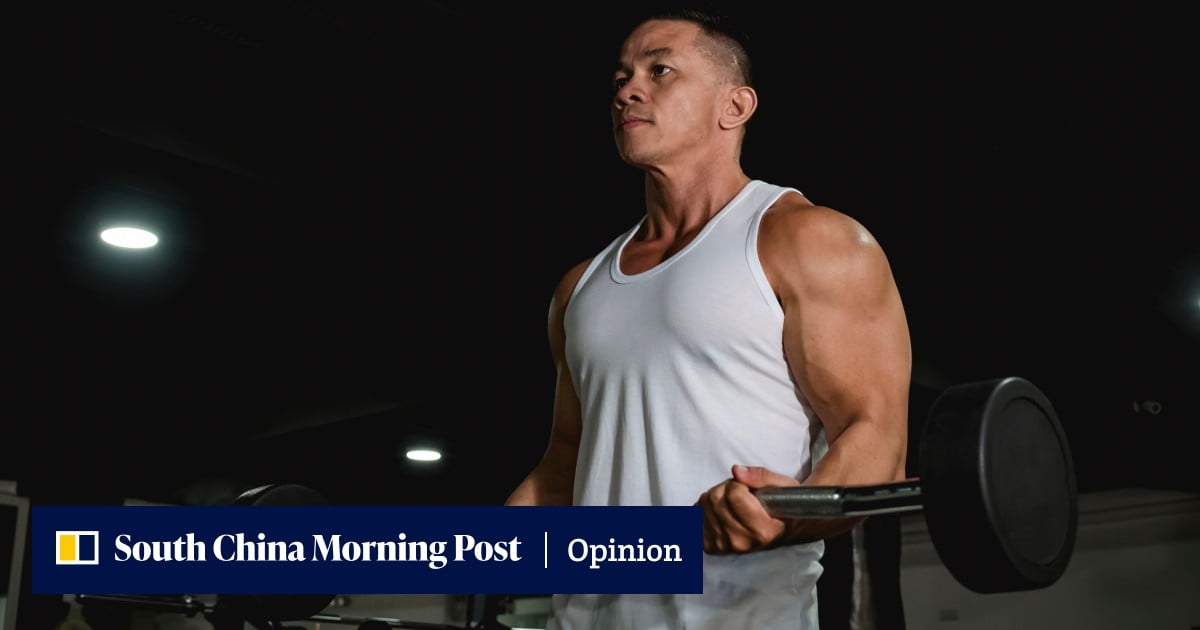
Historical records indicate that ancient China placed considerable emphasis on physical strength and fitness, with even philosophical figures like Confucius reportedly possessing extraordinary strength. Chinese military officers were traditionally required to pass rigorous physical tests as part of their service requirements.

This cultural emphasis on physical prowess reflects the practical demands of military leadership and governance in ancient China. The expectation that leaders and officers maintain high levels of fitness underscores how physical capability was viewed as integral to authority and effectiveness in historical Chinese society.

Sources: South China Morning Post

US Senate Passes Bill Imposing 100% Tariffs on India and China Over Russian Oil Purchases

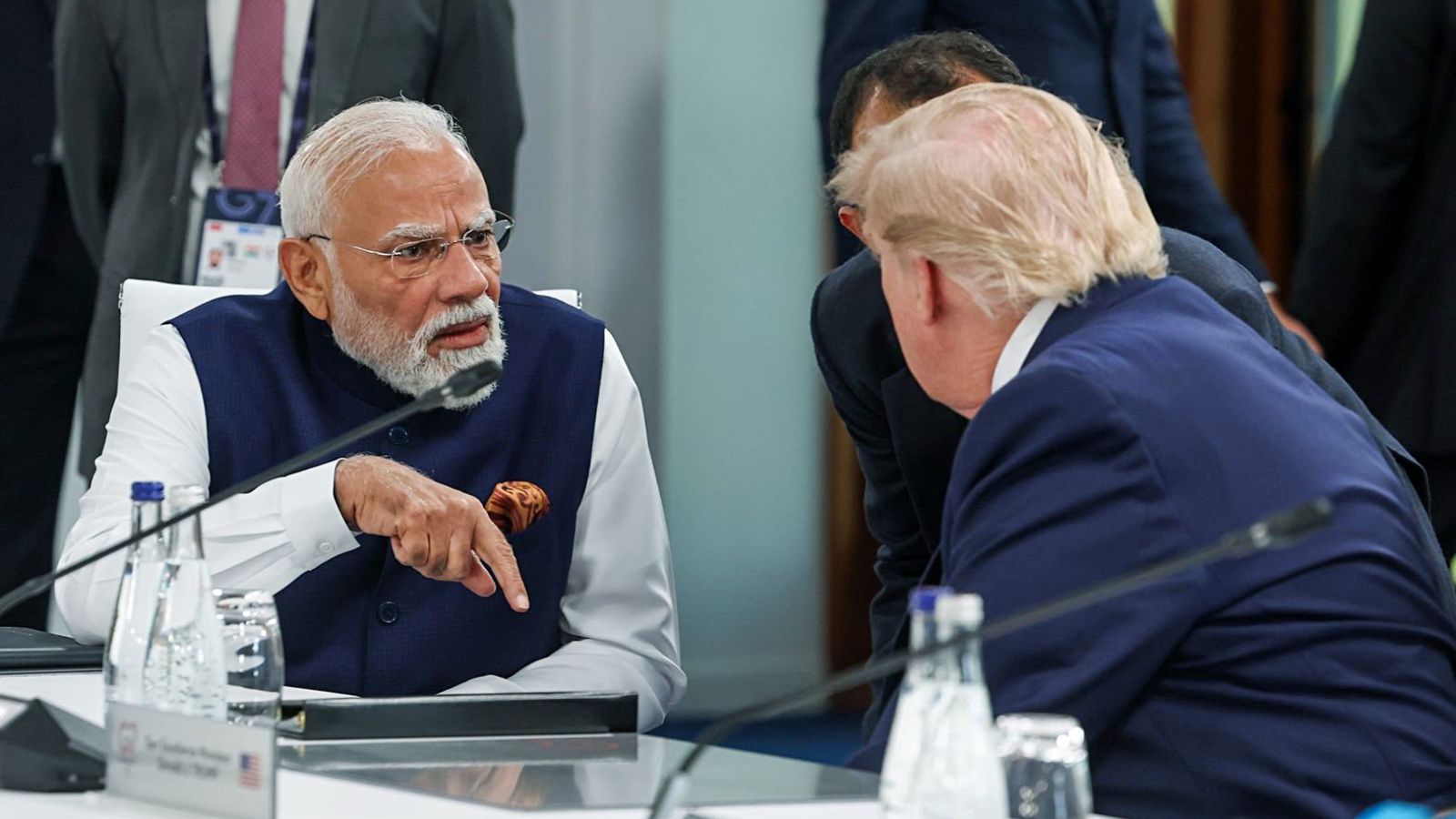
The US Senate has passed legislation that could impose 100% tariffs on India, China, and three other countries in response to their purchases of Russian oil. The bill is now headed to the House for further consideration.

This tariff measure reflects ongoing US efforts to enforce sanctions against Russia and pressure nations that continue trading with Moscow. The potential tariffs represent a significant economic consequence for countries that have maintained energy trade relationships with Russia despite international sanctions.

Sources: The Indian Express

India Officially Standardizes 27 Arunachal Pradesh Locations to Counter Chinese Claims

The Indian government has formally identified and standardized 27 geographical locations across Arunachal Pradesh on the official Survey of India maps, including passes, villages, and war memorials. This cartographic exercise was conducted in consultation with the Arunachal Pradesh state government and represents a direct response to China's renaming efforts in the disputed border region.

The action underscores India's effort to reinforce its sovereignty claims over Arunachal Pradesh, a territory that China also claims. By officially documenting and standardizing these place names on authoritative government maps, India is taking a formal administrative stance to counter what it views as Chinese attempts to assert control over the region through geographical nomenclature.

Sources: Republic World, ANI (Asian News International)

Multiple Analysts Maintain Buy Ratings on Uni-President China Holdings

Two major financial institutions released reports on August 6 maintaining Buy ratings on Uni-President China Holdings. Citic Securities set a price target of HK$9.00, while Guotai Haitong set a slightly higher target of HK$9.60. The company's shares closed at HK$7.47 on the Thursday prior to these reports.

The convergence of bullish ratings from multiple analysts suggests confidence in the food and beverage company's fundamentals. Both price targets indicate potential upside of approximately 20-28% from the closing price, reflecting analyst expectations for near-term appreciation.

Sources: Markets Insider

UBS Maintains Buy Rating on MGM China Holdings

UBS released a report on August 6 maintaining a Buy rating on MGM China Holdings with a price target of HK$15.20. At the time of the report, the company's shares were trading at HK$11.08, suggesting potential upside from the analyst's valuation.

This rating reflects UBS's confidence in the gaming and hospitality company's prospects. The price target implies approximately 37% upside from the closing price, indicating the analyst believes the stock is undervalued at current levels.

Sources: Markets Insider

Yili Group Hosts Sustainability Forum at World Dairy Industry Conference

The Yili Group hosted the Sustainability Forum at the 2026 World Dairy Industry Conference in Hohhot, China on August 2, bringing together over 200 domestic and international participants. The event, themed around connecting industrial value and creating a green future, assembled leaders from major international organizations and representatives from enterprises throughout the dairy supply chain. The forum focused on charting a new direction for sustainable development in the global dairy industry during the post-2030 era.

The conference represents industry efforts to address sustainability challenges and environmental concerns within the global dairy sector. By convening stakeholders from across the value chain, the forum facilitated dialogue on best practices and collaborative approaches to achieving sustainability goals. The gathering reflects growing recognition within the agricultural and food production industries of the need to balance economic development with environmental responsibility.

Sources: The Manila Times

G7 Reaffirms Opposition to Unilateral Changes to Taiwan's Status

The Group of Seven leaders, meeting in Évian, France on June 17, issued a joint statement reaffirming their opposition to any unilateral attempts to alter Taiwan's status, particularly through force or coercion. The statement reflects coordinated international concern about maintaining the existing cross-strait arrangement and preventing military escalation in the region. The declaration represents a unified position among major democracies on this sensitive geopolitical issue.

The G7 statement underscores the international dimensions of the Taiwan question and the concern among major powers about preserving stability in the Indo-Pacific region. The emphasis on opposing unilateral changes reflects broader efforts to maintain a rules-based international order and prevent military adventurism. Taiwan's security and status remain central to discussions among allied nations regarding regional stability and the balance of power in East Asia.

Sources: The Gateway Pundit

China's AI Development Mirrors Global Trend Toward Selective Openness

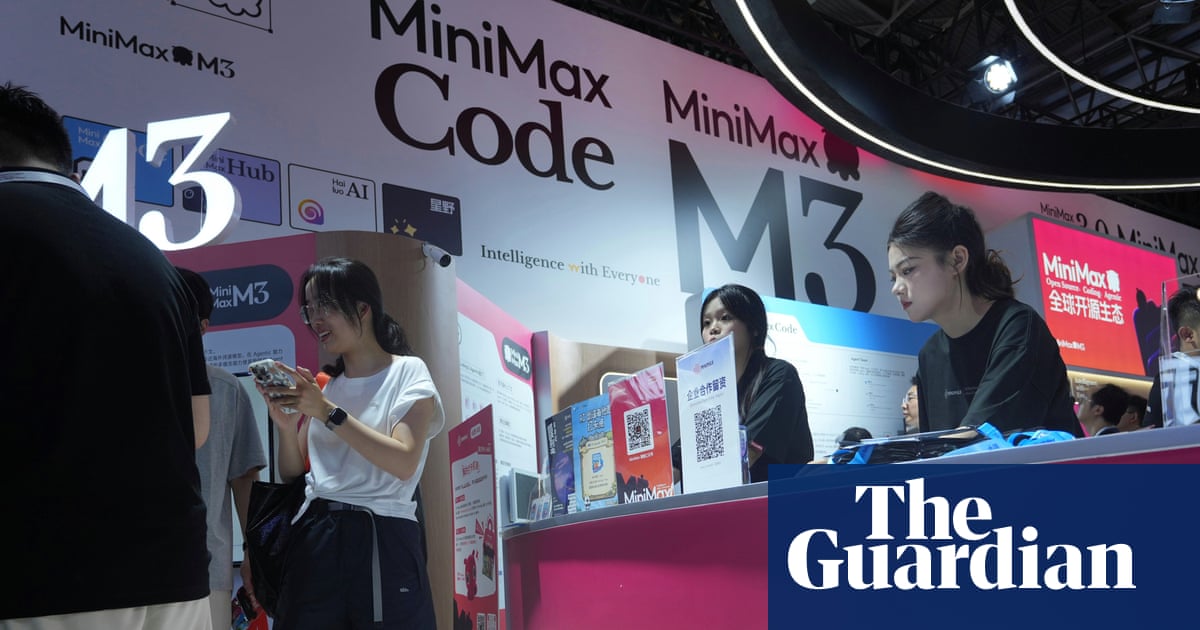
Chinese artificial intelligence laboratories have released openly available AI models including Qwen, DeepSeek, and Kimi, contributing to a competitive global AI ecosystem that benefits users worldwide, particularly in developing nations where models can operate on modest hardware. However, observers note that China's AI sector, despite its openness claims, maintains selective restrictions similar to those found in other countries' AI programs. The debate highlights the tension between promoting innovation and maintaining national interests in AI development.

The discussion about AI openness extends beyond China to encompass broader questions about how nations balance transparency with strategic considerations in emerging technologies. While openly released models can accelerate global progress and democratize access to advanced tools, countries also maintain proprietary systems and restrictions aligned with their national security interests. This pattern reflects a universal challenge in the AI era where technological advancement and geopolitical competition intersect.

Sources: The Guardian

Debate Over Trump-Class Battleship Design Raises Questions About Naval Effectiveness

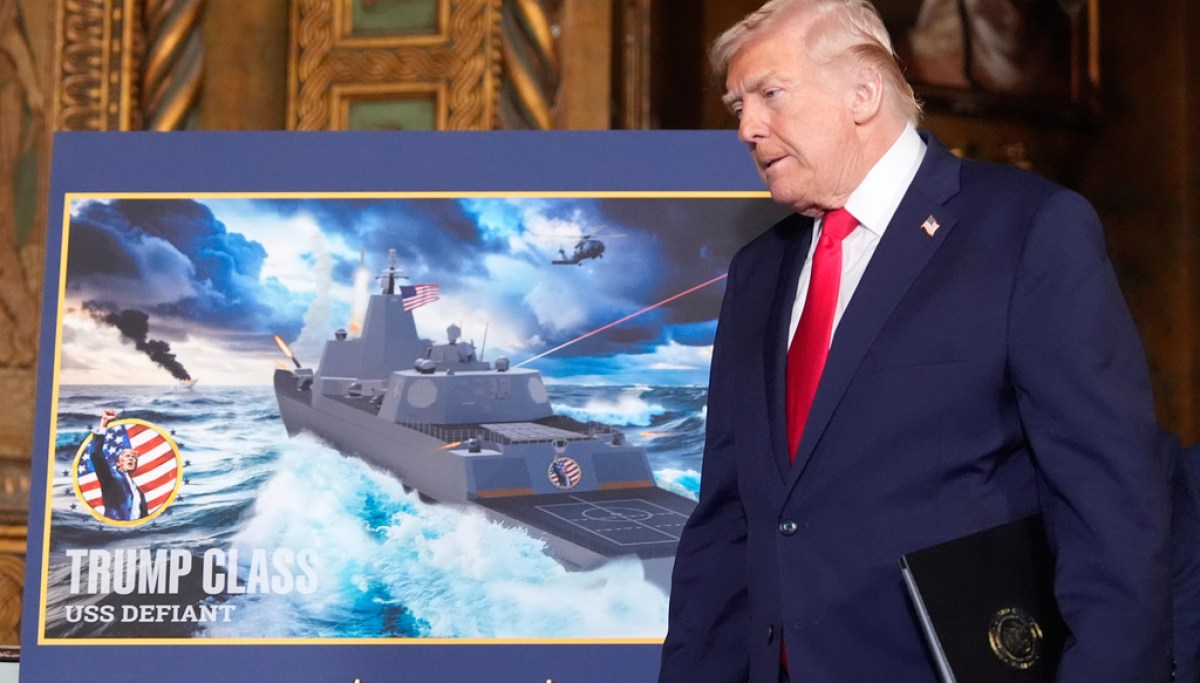
Military analysts have raised concerns about the proposed Trump-class battleship design, arguing that it would consume significant Navy resources and shipyard capacity while potentially serving as an easier target for adversaries like China. Critics contend that the DDG(X) destroyer design represents a more effective alternative. The Trump-class vessels would be equipped with 200 missile cells, 12 hypersonic weapon cells, nuclear-launched missiles, and various laser and railgun systems.

The debate over battleship design reflects broader strategic discussions within the U.S. military about optimal naval capabilities for modern warfare. Proponents and critics disagree on whether traditional battleship concepts remain relevant in contemporary defense scenarios dominated by missile technology and advanced weaponry. The outcome of this discussion will have significant implications for naval procurement priorities and force structure planning.

Sources: Washington Examiner

Trump Administration Convenes Mining Executives to Secure Critical Minerals

President Donald Trump is hosting top mining executives at the State Department to discuss strategies for securing critical minerals essential to national security. The initiative aims to replenish mineral stockpiles that have been depleted due to ongoing conflicts and to reduce the nation's dependence on Chinese sources for these vital materials. The effort includes promoting careers in mining and funding new educational programs in the sector.

The focus on critical minerals reflects broader concerns about supply chain vulnerabilities and geopolitical competition. Securing domestic and allied sources of these materials is viewed as crucial for weapons manufacturing and advanced technology production. The administration's approach combines immediate procurement strategies with long-term workforce development to strengthen the nation's mineral security position.

Sources: Devdiscourse

China Advances Space Program with Orbital Laboratory and Lunar Achievements

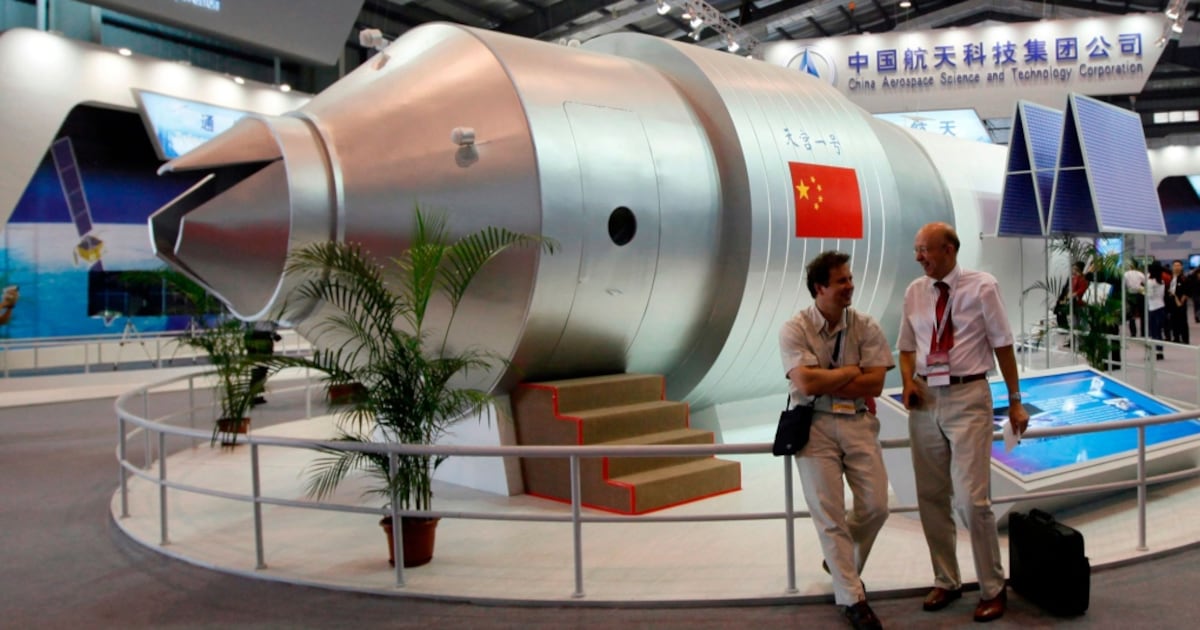
China has demonstrated significant progress in space exploration over the past five years, launching Tiangong, a modern orbital laboratory designed to rival the aging International Space Station led by the United States. The country has also achieved a historic milestone by retrieving soil samples from the far side of the moon, a feat that no other nation has successfully accomplished. These developments underscore China's rapid advancement in space technology capabilities.

China's space achievements have intensified competition in the space domain, bringing long-simmering geopolitical rivalries to the forefront. The United States has responded by escalating rhetoric about a potential space-based competition with China. These technological advances represent not only scientific accomplishments but also strategic implications for national security and international influence in the coming decades.

Sources: CP24 Toronto

Israel Closes Consulate in China Amid Diplomatic Tensions Over Gaza and Middle East Policy

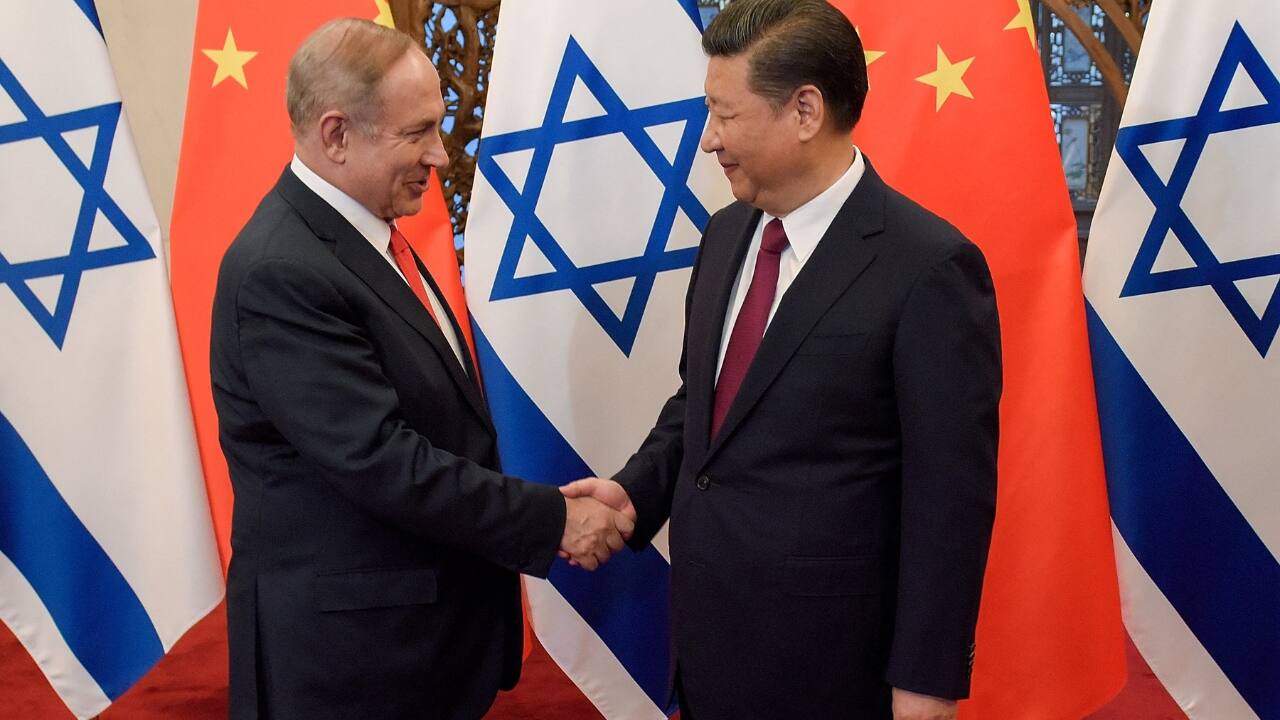
Israel has shut down its consulate in Chengdu, China, signaling deteriorating diplomatic relations between the two countries. The closure comes amid growing tensions over China's response to the Gaza conflict and Beijing's deepening engagement with Iran and Arab nations. The consulate ended operations in the previous month, according to reports from Hong Kong-based media outlets.

The consulate closure reflects broader strains in Israel-China relations driven by divergent positions on Middle East geopolitics. China's expanding diplomatic and economic ties with Iran and Arab states have created friction with Israel, particularly regarding Beijing's stance on the Gaza war. This development underscores how regional conflicts and shifting international alignments are affecting bilateral relationships between distant nations.

Sources: Moneycontrol, Deccan Chronicle

India Officially Names 27 Arunachal Pradesh Locations in Response to China's Territorial Claims

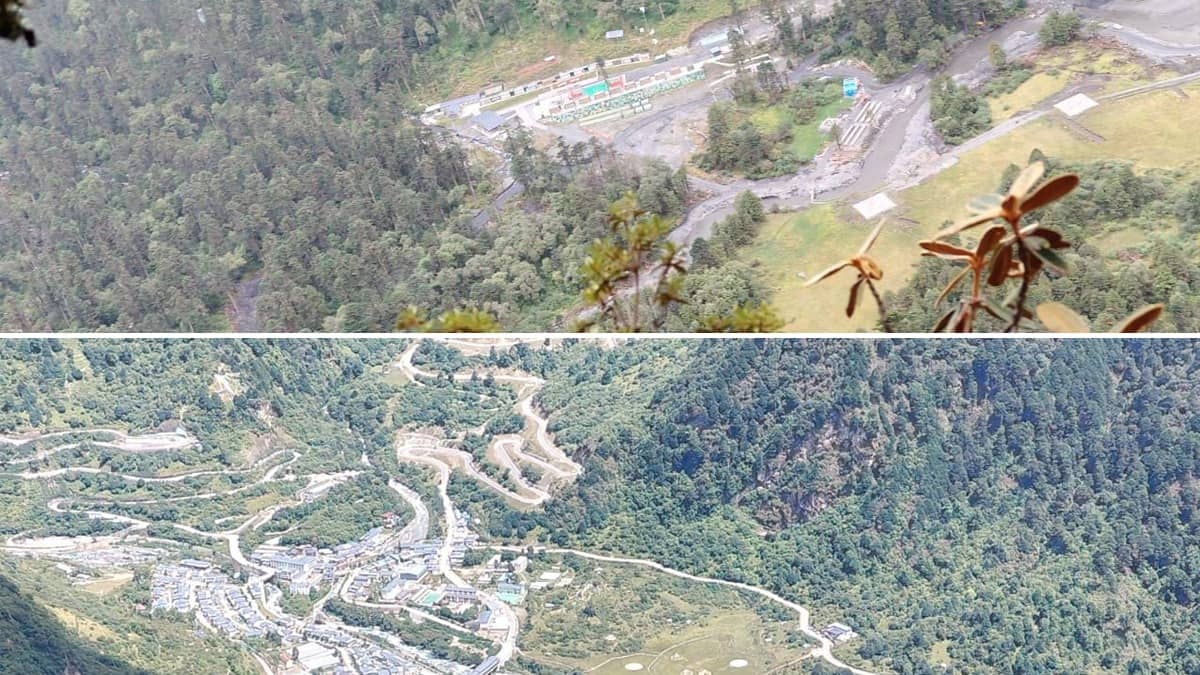
India has formally assigned official standard names to 27 geographical locations in Arunachal Pradesh along the Line of Actual Control, marking a direct response to China's efforts to rename areas within the state. The move represents India's assertion of its territorial claims and rejection of Beijing's competing nomenclature for the disputed region. Several of the newly designated locations hold strategic significance due to their proximity to the contested border.

This action reflects ongoing tensions between India and China over territorial boundaries and sovereignty claims in the northeastern state. The naming initiative serves as a formal, administrative counter to China's attempts to assert control over the region through alternative designations. The dispute over Arunachal Pradesh remains one of the most contentious issues in India-China relations, with both nations maintaining competing claims to the territory.

Sources: Times of India, Outlook India