Global News Hub

Next refresh

← Back to News from China

News from China — Archive

111-Year-Old Chinese Woman Attributes Longevity to Daily Household Activities

Wang Gaiying, a 111-year-old grandmother from Rugao in eastern China's Jiangsu Province, has gained social media attention by crediting her remarkable longevity to simple daily habits. She attributes her extended lifespan primarily to viewing household chores and domestic work as a form of regular physical exercise rather than burdensome tasks.

Her approach to aging and wellness has resonated with online audiences, highlighting the potential benefits of maintaining consistent physical activity through everyday activities. Wang's perspective offers an alternative view on longevity that emphasizes the importance of remaining active and engaged in daily routines rather than relying solely on formal exercise regimens.

Sources: The Star

North Wales Teenager Hospitalized Following Accident During China Bike Journey

An 18-year-old from North Wales named Dyfan Hughes is hospitalized in serious but stable condition following an accident that occurred while undertaking an ambitious cycling expedition. Hughes and two companions, Louis Dennis and James Thomas, both 19 years old, embarked on a 6,000-mile bicycle journey from Wrexham to Thailand approximately one year ago.

The three cyclists from Llangollen had been progressing through their extraordinary long-distance cycling adventure when the accident occurred in China. Hughes's hospitalization marks a significant setback to their ambitious expedition, which represents an extraordinary feat of endurance cycling across multiple countries and continents.

Sources: Daily Post

Canada and U.S. Monitor Chinese Research Icebreakers Operating in Arctic Waters

Canada and the United States have been conducting surveillance operations on two Chinese icebreaking research vessels, the Xue Long and Xue Long 2, operating in Arctic waters off Alaska over recent weeks. Defense experts have raised concerns that these scientific missions may extend beyond research activities to include the collection of strategically significant undersea data.

The expanding Chinese presence in the Arctic region is generating heightened concern among Western defense officials, who view it as a test of Canada's already limited military capabilities in the region. The shadowing operations reflect broader geopolitical tensions over Arctic resource access and strategic positioning, as China increases its scientific and operational activities in polar waters.

Sources: CBC.ca

Pentagon Pledges $400 Million to Support Australian Rare Earth Scandium Mining

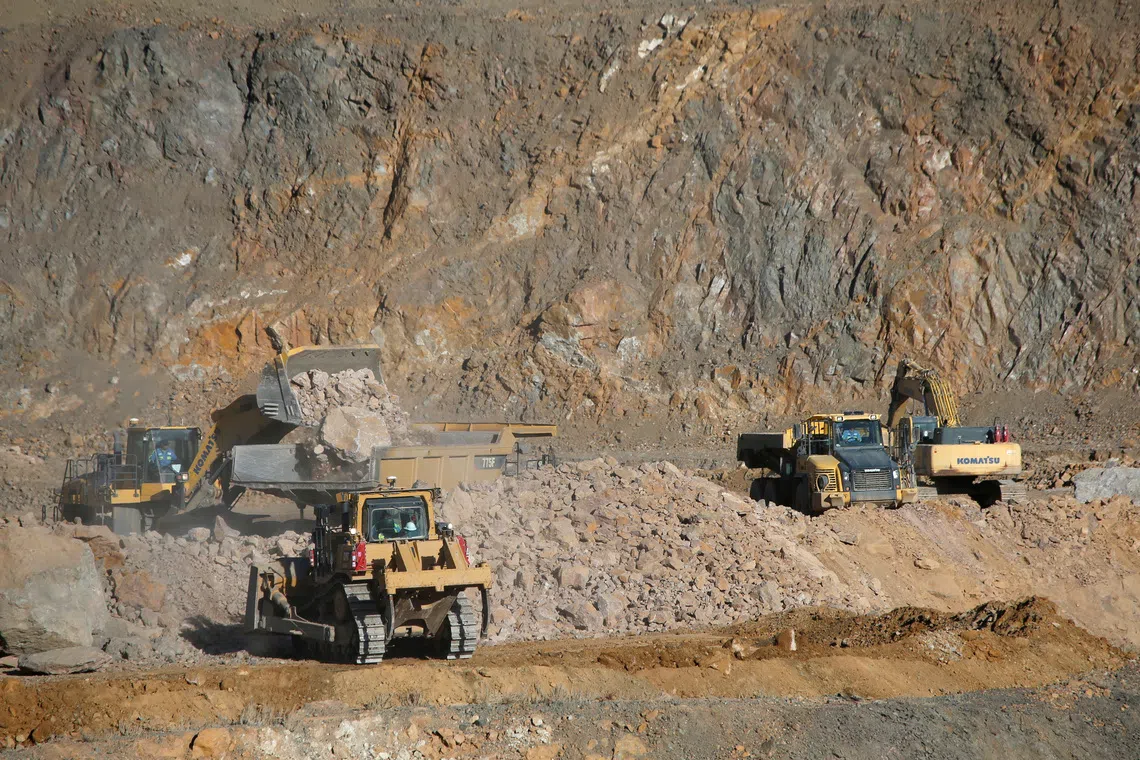
The United States Department of Defense announced a $400 million investment commitment to support rare earth mining operations in Australia, specifically targeting scandium production. The funding aims to establish a remote Australian location as a critical supply source for scandium, a rare earth element essential for defense applications, aircraft manufacturing, and data center technology.

This investment initiative comes in response to China's 2025 restrictions on scandium exports for defense-related products, highlighting Western concerns about supply chain vulnerabilities for critical materials. The Pentagon's backing of Australian mining operations represents a strategic effort to diversify and secure Western access to rare earth elements that are vital for national security and advanced technology sectors.

Sources: The Straits Times

Shandong HiTHIUM Opens World's First Long-Duration Energy Storage Industrial Park

Shandong HiTHIUM held a production rollout ceremony on August 7 for its Heze Base facility in Heze Luxi New Area, marking the commencement of manufacturing operations at what the company describes as the world's first integrated industrial park dedicated to long-duration energy storage technology. The facility represents a significant expansion of the company's manufacturing capabilities and global supply chain infrastructure.

The Heze Base is positioned as an intelligent manufacturing hub specifically designed for long-duration energy storage production, with the company emphasizing its commitment to achieving leadership standards from the outset of operations. This development reflects the growing global demand for advanced energy storage solutions and represents a strategic milestone in HiTHIUM's efforts to establish worldwide manufacturing and distribution networks for long-duration energy storage systems.

Sources: The Manila Times

Typhoon Dolphin Strikes Okinawa and Threatens China's East Coast

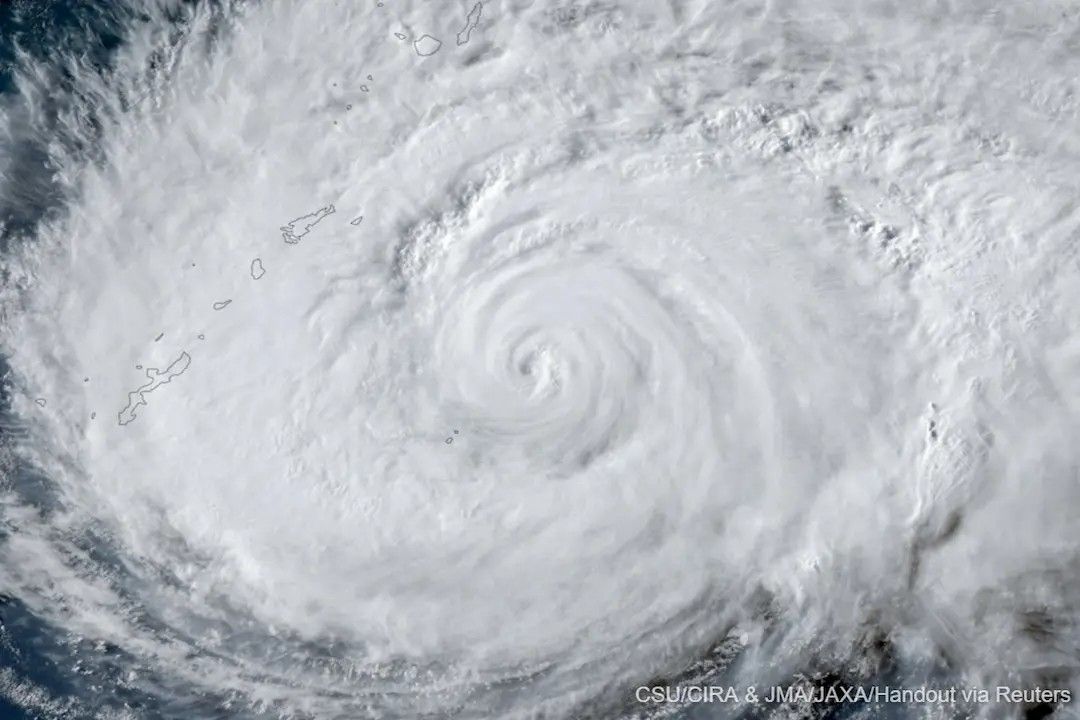
Typhoon Dolphin impacted Japan's Okinawa prefecture on Saturday, causing injuries and widespread power outages across the region. Reports indicate between five and six people were injured, while power was disrupted to thousands of buildings, with figures ranging from 14,000 to over 50,000 structures affected. The typhoon brought maximum sustained winds of 162 kilometers per hour with gusts reaching 216 kilometers per hour.

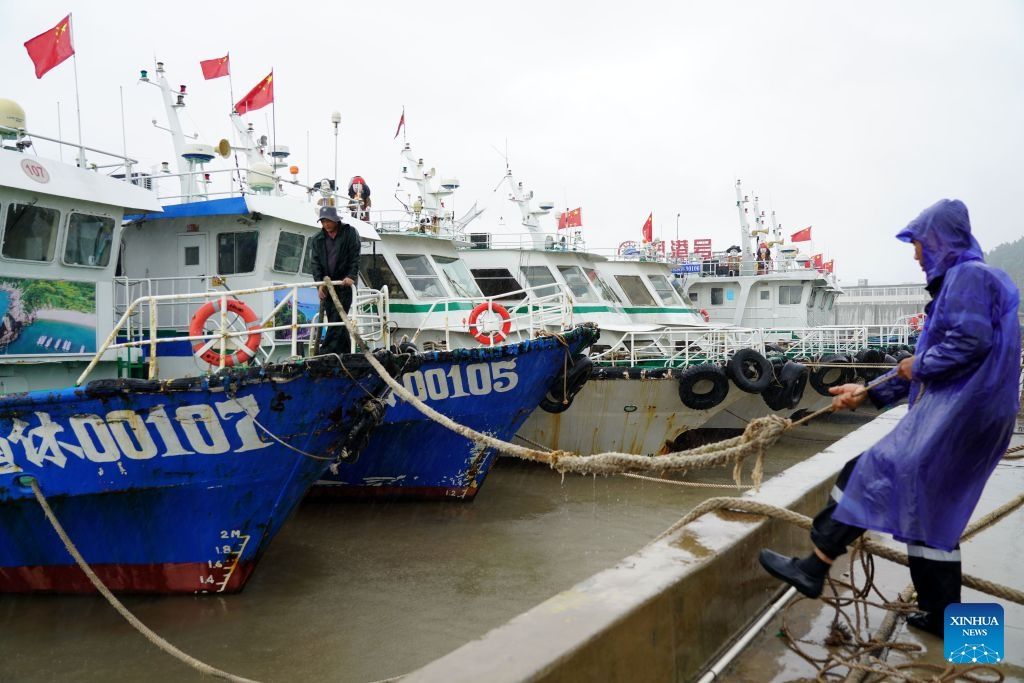
In response to the approaching storm, China implemented precautionary measures by shutting ports and halting ferry services along its east coast ahead of the typhoon's expected landfall. The coordinated response between Japan and China reflected the regional threat posed by the powerful weather system as it moved across the western Pacific.

Sources: The Star, CNA

Bangkok's Urban Greening Efforts Offer Lessons for Other Asian Cities

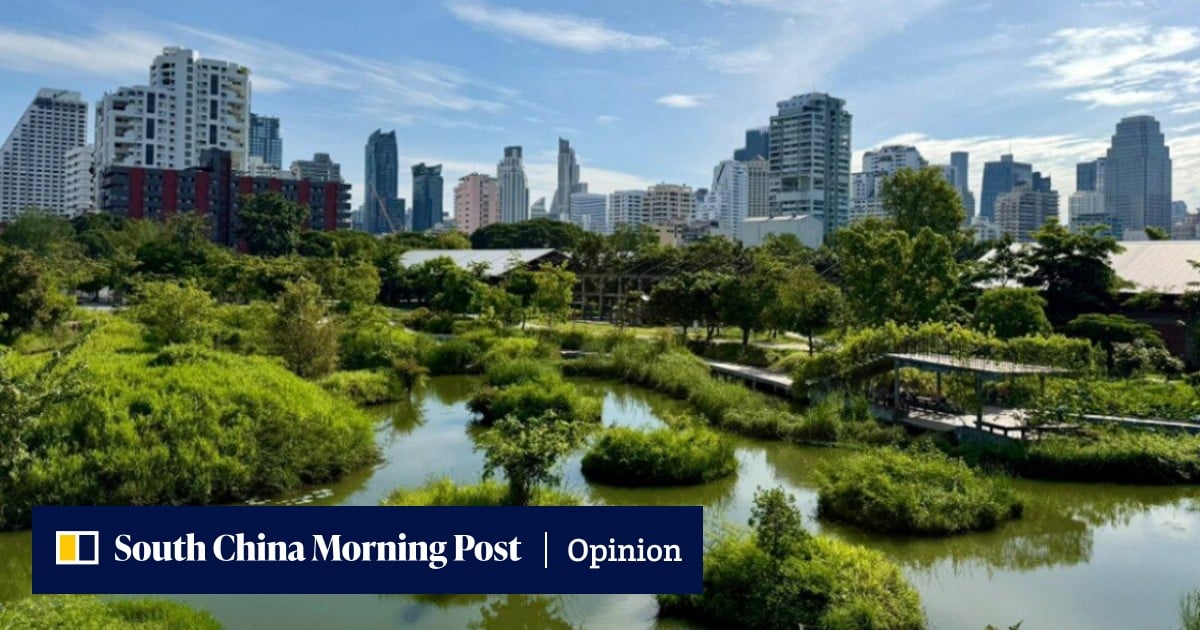
Bangkok has implemented urban greenery initiatives that have transformed the city's landscape, making it noticeably greener and more walkable for residents and visitors. The city's greening efforts have already demonstrated tangible results, with visitors returning after the pandemic expressing surprise at the improvements in the urban environment. The success of Bangkok's approach provides a model that other cities, including Hong Kong, could potentially adapt and learn from.

Bangkok's transformation into a greener urban space represents a shift in how the city prioritizes environmental quality and livability alongside economic development. The visible improvements in urban greenery have enhanced the city's appeal to both residents and tourists, demonstrating the potential benefits of sustained investment in environmental infrastructure. Other Asian cities facing similar challenges of rapid urbanization and environmental degradation may find valuable lessons in Bangkok's approach to integrating green spaces into dense urban environments.

Sources: South China Morning Post

Conservative Perspectives on AI Policy: Free Markets Versus State Intervention

An article in The American Conservative examines the debate over artificial intelligence policy, arguing that conservatives should prioritize free market principles rather than adopting state intervention approaches similar to those employed by China. The piece reflects broader ideological discussions within conservative circles about how the United States should approach AI regulation and development. The commentary draws on historical examples of China's economic evolution to illustrate concerns about centralized control of emerging technologies.

The article contributes to ongoing debates within American political circles about the appropriate balance between market-driven innovation and government oversight in the AI sector. By referencing China's historical economic struggles under centralized planning, the author argues for maintaining market-based approaches to AI development rather than emulating state-directed models. This perspective represents one strand of conservative thought on technology policy, emphasizing the potential risks of excessive government intervention while advocating for competitive market dynamics to drive innovation and economic growth.

Sources: The American Conservative

US Navy Announces Shift Toward Guided-Missile Submarines to Counter China's Pacific Buildup

The US Navy announced a significant strategic shift in its submarine force composition, planning to expand its fleet of guided-missile submarines. Military analysts view this development as a pivotal change that provides important insights into how the United States would approach potential conflict scenarios in the Pacific region. The move comes in response to China's rapid military expansion and buildup of forces in the Pacific, reflecting Washington's strategic reassessment of naval capabilities needed to maintain regional balance.

The Navy's pivot toward guided-missile submarines represents a fundamental change in force structure strategy, signaling a shift in how the US military intends to project power and maintain deterrence in the Pacific. This decision reflects broader concerns about China's military modernization and expansion, which has prompted the US to recalibrate its own capabilities and deployment strategies. The emphasis on guided-missile submarines suggests a focus on maintaining strike capability and deterrence in contested waters, representing a significant element of the US military's long-term strategy for managing great power competition in the Indo-Pacific region.

Sources: Cable News Network

Philippines Government Criticizes Anti-China Caskets Found in Metro Manila

The Philippine government's Malacañang office criticized caskets bearing anti-China messages that were discovered in several locations across Metro Manila on Friday. In a video statement released on Saturday, the Presidential Communications Office expressed that such actions do not benefit the country. The incident highlighted tensions in the Philippines' relationship with China, though the government sought to distance itself from the protest messaging.

The appearance of the anti-China caskets represented a form of public protest against Chinese policies or actions affecting the Philippines, though the government's response indicated official reluctance to endorse such demonstrations. The incident reflects underlying tensions in Philippine-Chinese relations while also revealing the government's preference for managing such disputes through diplomatic channels rather than public confrontation. The government's statement suggested an effort to maintain a balanced approach to its relationship with China despite domestic concerns.

Sources: The Manila Times

Trump Administration Promotes $3.8 Billion in Critical Minerals Investments to Reduce China Dependence

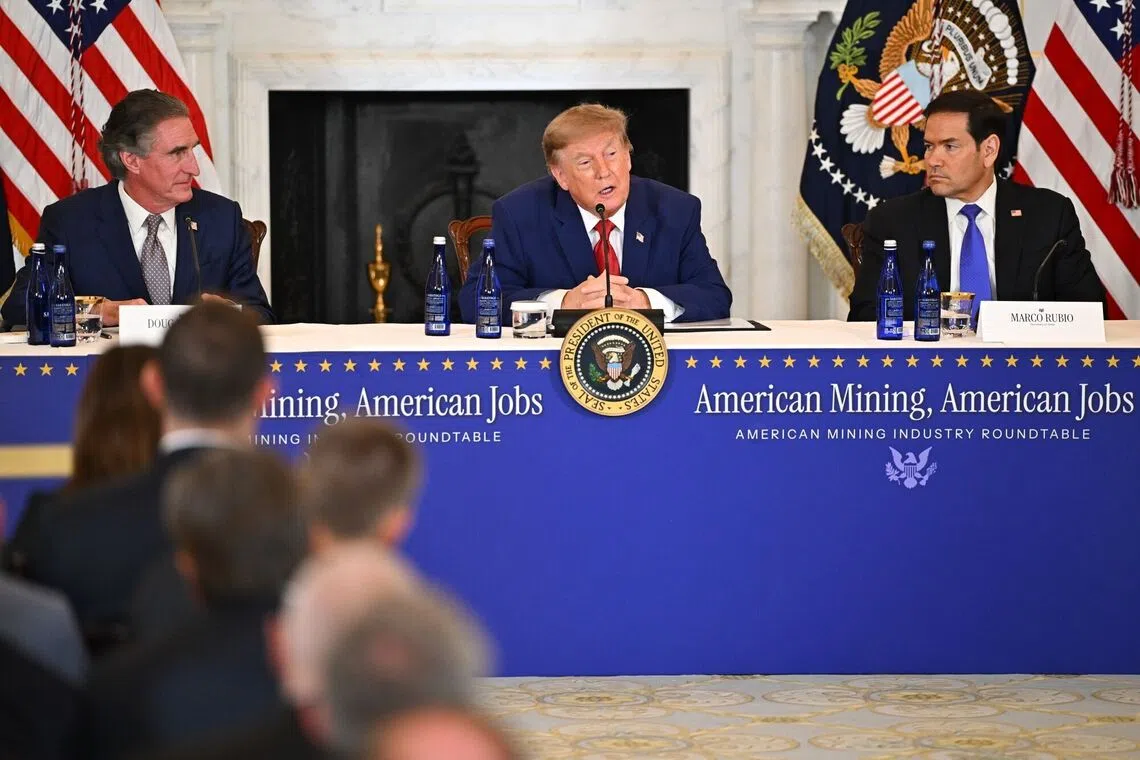
President Donald Trump highlighted $3 billion in US investments in critical minerals mining during a meeting with top industry executives on August 7, emphasizing the strategic importance of these projects for economic stability and national security. The investments are explicitly designed to reduce American dependence on supply chains dominated by China, a key priority for the administration. The focus on critical minerals reflects broader efforts to strengthen domestic production capacity in sectors essential for advanced manufacturing and technology.

The promotion of critical minerals projects represents a significant component of the administration's strategy to reshape US supply chains and reduce reliance on Chinese sources for materials vital to modern industries. By encouraging domestic mining and processing of critical minerals, the US aims to enhance its economic resilience and reduce vulnerabilities in sectors ranging from defense to renewable energy. These investments align with broader geopolitical objectives of decoupling American industrial capacity from Chinese suppliers, though the long-term success of such efforts depends on sustained investment, technological development, and market competitiveness.

Sources: The Straits Times

Eastern China Prepares for Typhoon Dolphin with School and Tourist Site Closures

Authorities in eastern China shut schools and closed tourist sites as Typhoon Dolphin approached land on Saturday, August 8. The storm carried maximum sustained winds of approximately 162 kilometers per hour and was expected to bring heavy rainfall to the region. The precautionary measures reflected standard emergency preparedness protocols in response to the approaching severe weather system.

Typhoon Dolphin's approach prompted widespread disruptions to normal activities across eastern China as local authorities prioritized public safety. The closure of educational institutions and tourist attractions demonstrated the significant impact that major weather events can have on regional economic activity and daily life. Such preventive measures are typical responses to typhoons in the region, which regularly face such weather systems during the summer and early autumn months.

Sources: The Star

US Senate Passes Sanctions Bill Targeting Russia's Energy Sector, Threatening Major Buyers

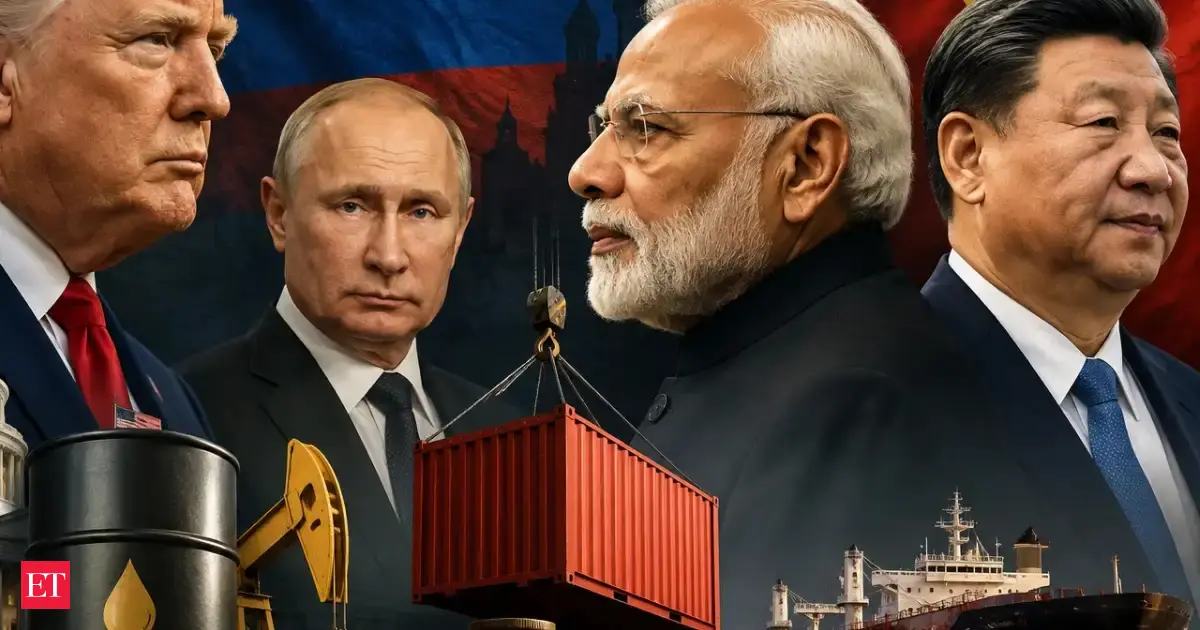
The US Senate passed a bipartisan sanctions bill targeting Russia's energy sector with an 86-11 vote, granting the President authority to impose 100 percent tariffs on major purchasers of Russian oil and gas. India and China, both among the world's top five buyers of Russian petroleum products, face potential tariff exposure under the legislation. The bill also includes measures against Russian officials and extends sanctions on Iran through 2031, reflecting bipartisan support for reinforcing pressure on Russia and strengthening support for Ukraine.

The legislation represents a significant escalation in economic pressure on Russia's energy exports and signals Washington's intent to penalize countries that continue substantial trade relationships with Moscow. India and China, which have increased their purchases of Russian energy following Western sanctions imposed after Russia's invasion of Ukraine, now face the prospect of facing additional tariffs if they maintain or expand these imports. The bill's passage and advancement to the House of Representatives underscores the geopolitical dimensions of energy trade and the broader effort to isolate Russia economically, though implementation of the tariff provisions would ultimately depend on presidential discretion.

Sources: The Economic Times, NewsBytes, Livemint

Brazil Expands Sorghum Exports to China, Reshaping Global Grain Trade

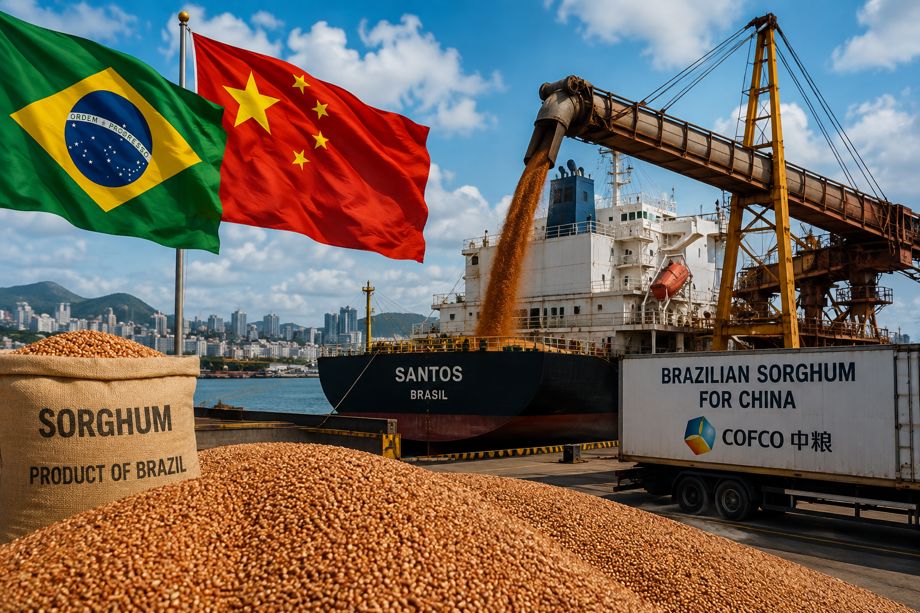
Brazil is significantly increasing its sorghum exports to China, with plans to ship more than 400,000 metric tons in August alone. This expansion represents a notable shift in global agricultural trade patterns, driven by geopolitical tensions and the need for more diversified supply chains. The development creates new economic opportunities for Brazilian farmers, traders, and policymakers while supporting China's broader strategy to reduce dependence on traditional grain suppliers and strengthen its food security.

The realignment in grain trade reflects deeper structural changes in international commerce, where countries are actively seeking alternative suppliers to mitigate supply chain vulnerabilities. For Brazil, this represents a significant growth opportunity in agricultural exports, while for China, it provides a strategic way to diversify its import sources. However, the long-term viability of this trade relationship will depend on sustained demand from China, competitive pricing from Brazilian suppliers, adequate infrastructure to handle increased volumes, and stable bilateral trade relations between the two nations.

Sources: Devdiscourse

China Faces Critical Shortage of Training Data for Artificial Intelligence Development

China's ambitious effort to develop next-generation artificial intelligence models is encountering a significant bottleneck: a severe shortage of high-quality training data. Experts warn that the global supply of publicly available, human-generated text in Chinese could be substantially exhausted within the next six years.

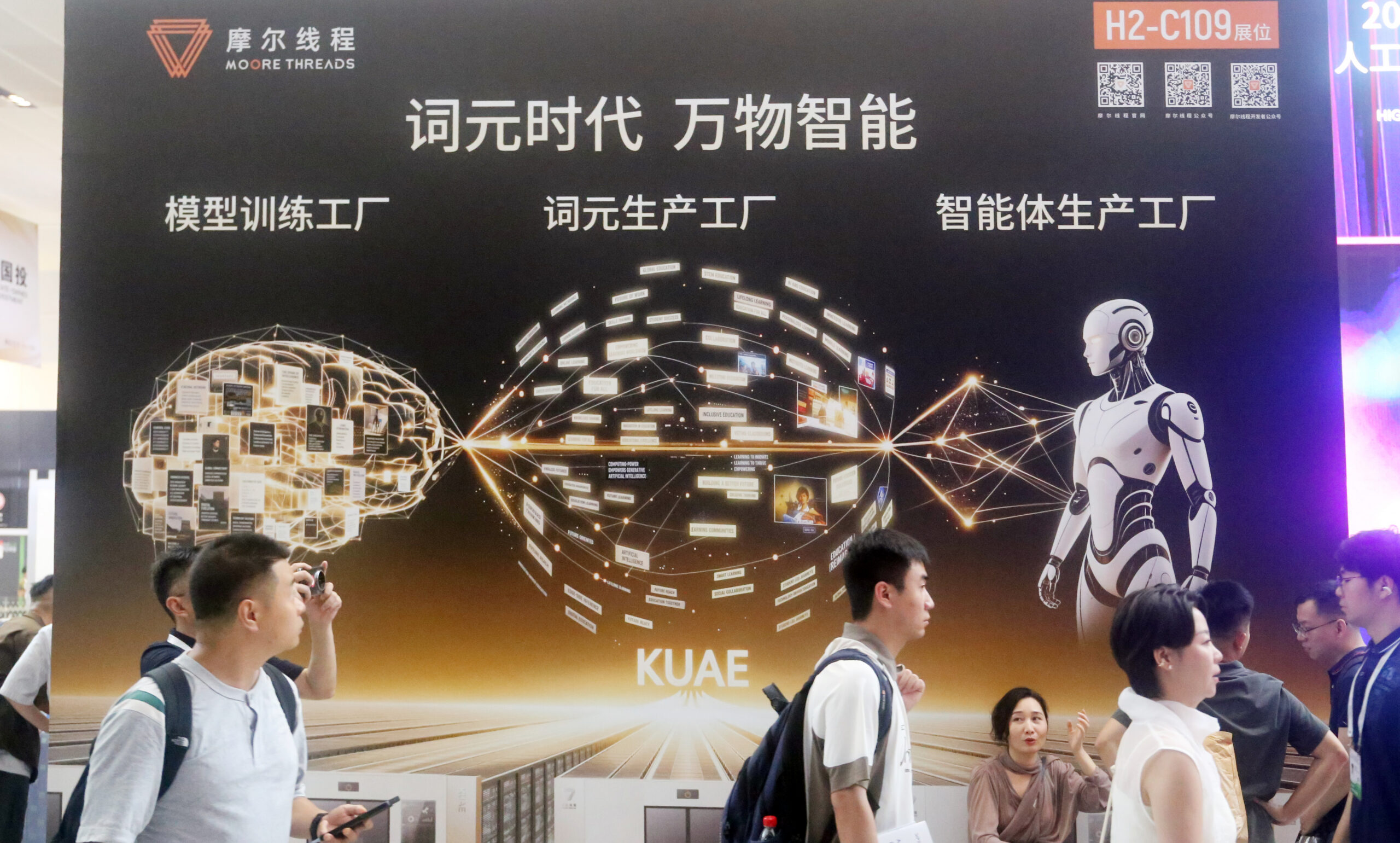
The data scarcity represents an existential challenge to China's AI advancement goals, as the nation races to compete with the United States in artificial intelligence capabilities. The shortage of quality training material could constrain the development of sophisticated Chinese-language AI systems and potentially slow China's progress in this strategically important technology sector.

Sources: South China Morning Post

Taiwan Rejects China's Taiwan Strait Traffic Control Order During Typhoon

Taiwan has dismissed China's attempt to impose traffic control measures in the Taiwan Strait as ridiculous, rejecting Beijing's authority to restrict access to the waterway. China had justified the measures as necessary precautions related to an approaching typhoon, but Taiwan's government asserted that China has no right to regulate international waters.

Taiwan's Coast Guard reported no abnormal Chinese vessel movements in the area and instructed ships to disregard any Chinese broadcast demands and report them immediately. The dispute highlights ongoing tensions over the Taiwan Strait, with Taiwan maintaining that the waterway remains international territory beyond China's jurisdiction.

Sources: The Economic Times

Taiwan Conducts Large-Scale Military Evacuation Drill with Presidential Participation

Taiwan's President William Lai participated in a dramatic nighttime evacuation drill as part of the country's largest-ever Han Kuang military exercises. During the exercise, the president was relocated from the Presidential Office to a secure command center while Taiwan implemented defensive measures.

The large-scale military drills underscore Taiwan's ongoing preparations for potential security threats and demonstrate the government's commitment to maintaining operational readiness. The exercises reflect the island's strategic focus on civil defense and continuity of government protocols in response to regional security dynamics.

Sources: EUROPE SAYS

Japan Plans Missile Shelter Near Tokyo Station Amid Regional Security Threats

The Tokyo Metropolitan Government has announced plans to construct a missile shelter in an underground parking garage near Tokyo Station in response to escalating security concerns in the region. The shelter will be built beneath a parking lot located below Yaesu Dori Avenue, which runs from the station.

The initiative reflects growing alarm over North Korea's accelerated pace of ballistic missile testing and China's expanding arsenal of advanced weapons systems. Japan's push to develop more durable civilian shelters represents a broader effort to enhance public safety infrastructure amid rising regional tensions and military developments.

Sources: The Japan Times

David Brat Confirmed as US Ambassador to Australia

The US Senate has confirmed David Brat, a former Republican congressman and ally of Donald Trump, as the United States ambassador to Australia. The 62-year-old was approved through a rushed confirmation process with a 51-47 vote, joining several other ambassador nominees expedited through the chamber.

Brat drew attention during his confirmation hearing for mispronouncing the Australian city of Adelaide and offering commentary on Australia's relationship with China. His appointment represents part of a broader wave of diplomatic appointments being processed by the Senate during this period.

Sources: 7NEWS Australia

US Senate Approves Russia Sanctions Bill with Potential Tariffs on Major Oil Importers

The US Senate has overwhelmingly passed a Russia sanctions bill, named after the late Senator Lindsey Graham, that would authorize the president to impose tariffs of up to 100 percent on the world's top five purchasers of Russian oil and natural gas. The bipartisan legislation targets countries including China and India, which are among the largest importers of Russian petroleum products. The bill aims to punish Russia and restrict the flow of revenue that supporters argue fuels the ongoing conflict in Ukraine.

The sanctions package represents a yearlong effort by Senator Graham to strengthen US support for Ukraine and increase pressure on Russian President Vladimir Putin. The legislation reflects growing bipartisan concern about countries continuing to purchase Russian energy resources despite international sanctions. The bill grants the president discretionary authority to implement the tariffs, allowing for potential diplomatic flexibility in how the measures are applied to different nations.

Sources: ANI (Asian News International), The Tribune, Deccan Chronicle, The New Indian Express