Global News Hub

Next refresh

Chinese AI Startups Gain Ground Against US Tech Giants

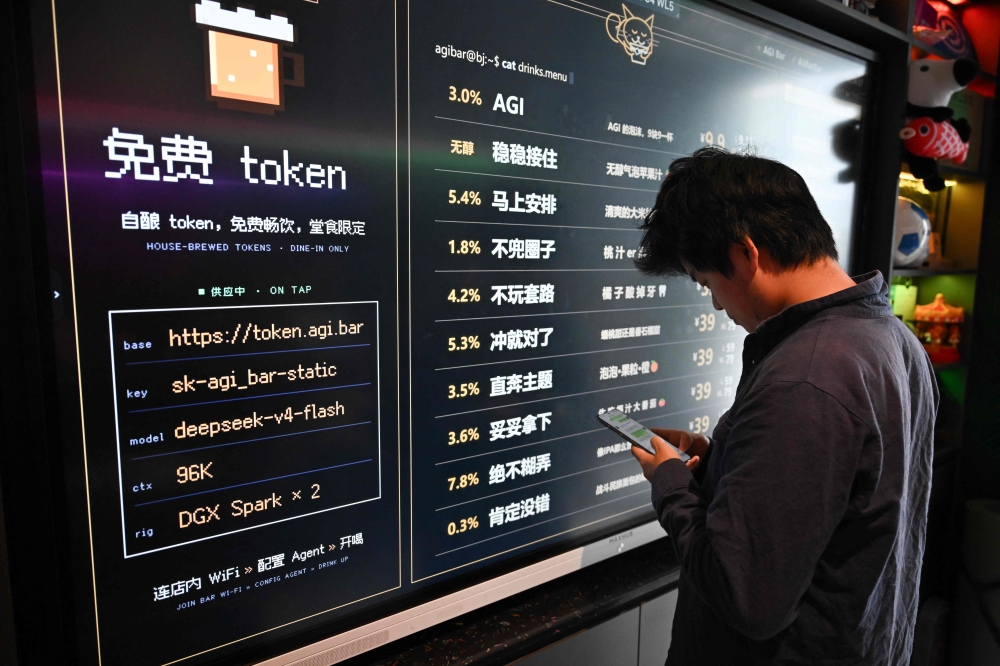
Chinese artificial intelligence companies are intensifying competition against established US technology giants, with users increasingly exploring alternatives to American AI platforms. The competitive landscape has become so dynamic that some Beijing establishments are even offering free access to Chinese AI tools like DeepSeek to attract users.

This shift reflects the rapid advancement of Chinese AI capabilities and changing user preferences as the global AI market becomes more competitive and diverse. The emergence of viable alternatives to US-dominated platforms suggests that the AI industry is becoming increasingly multipolar, with Chinese developers gaining significant traction in capturing market share and user adoption.

Sources: Malay Mail

Germany's Industrial AI Strategy Contrasts with India's Broader Ecosystem Approach

Germany is pursuing a focused industrial artificial intelligence strategy, using the technology to modernize its manufacturing sector, optimize supply chains, and enhance machinery operations. This approach contrasts with India's broader "AI for all" ecosystem, which emphasizes public services and digital infrastructure development.

The two nations represent different philosophical approaches to AI adoption and implementation. While Germany concentrates on applying AI to strengthen its existing industrial base, India is building a more comprehensive ecosystem designed to democratize AI benefits across multiple sectors and societal domains. Each strategy reflects the distinct economic priorities and development stages of the respective countries.

Sources: THE WEEK

Alphabet and Meta Lead AI-Driven Digital Advertising Competition

Alphabet and Meta have emerged as among the largest beneficiaries of the artificial intelligence boom, with both technology giants leveraging AI to enhance their digital advertising platforms. The companies are simultaneously investing heavily in infrastructure and developing new technologies to maintain their competitive positions.

For investors evaluating these companies, the key consideration is which organization presents a stronger long-term risk-reward opportunity as the AI landscape continues to evolve. Both firms are positioning themselves to capitalize on AI's transformative potential, though their specific strategies and execution will ultimately determine their relative success in this competitive market.

Sources: The Economic Times

Australia Launches Royal Commission to Examine AI's Societal Impact

Australia is establishing a national-first royal commission to investigate the opportunities and risks that artificial intelligence poses to society. The inquiry comes as the country faces what officials describe as a critical juncture in determining its approach to AI policy and governance.

The royal commission represents a comprehensive effort to examine both the benefits and dangers of AI technology, with a stated commitment to prioritizing human welfare in policy development. This investigation signals Australia's recognition that artificial intelligence will play a significant role in the nation's future and requires careful, deliberate examination before major policy decisions are finalized.

Sources: The Canberra Times

India's Global Capacity Centres Shift Toward Specialized, Smaller Teams

India's Global Capacity Centres are undergoing a significant transformation, becoming smaller and more engineering-focused as companies prioritize specialized talent over large headcounts. The Indian GCC market is projected to reach one hundred billion dollars by 2030, driven by a strategic shift toward faster product development and higher value-density work.

This evolution reflects how artificial intelligence and automation are enabling organizations to achieve greater output with leaner, more agile teams. Rather than expanding workforce size, companies are now routing strategic work more carefully and emphasizing the quality and specialization of their talent pools, fundamentally reshaping how global capacity centers operate and contribute to their parent organizations.

Sources: The Economic Times