Global News Hub

Next refresh

← Back to News from Manufacturing

News from Manufacturing — Archive

India and France in Talks to Collaborate on Sixth-Generation Fighter Aircraft Development

India's defence ministry has confirmed to Parliament that the country is engaged in discussions with France regarding participation in the Future Combat Air System (FCAS), a sixth-generation fighter aircraft programme. The talks represent a potential partnership for co-development and co-manufacturing of this advanced military platform.

This collaboration would mark a significant step in India's defence technology ambitions and strengthen strategic ties with France in the aerospace and defence sectors. The FCAS programme represents cutting-edge military aviation technology, and India's involvement could enhance its domestic defence manufacturing capabilities while positioning it as a key player in next-generation fighter development.

Sources: ThePrint

West Virginia University Researchers Extract Rare Earth Minerals from Polluted Mine Water

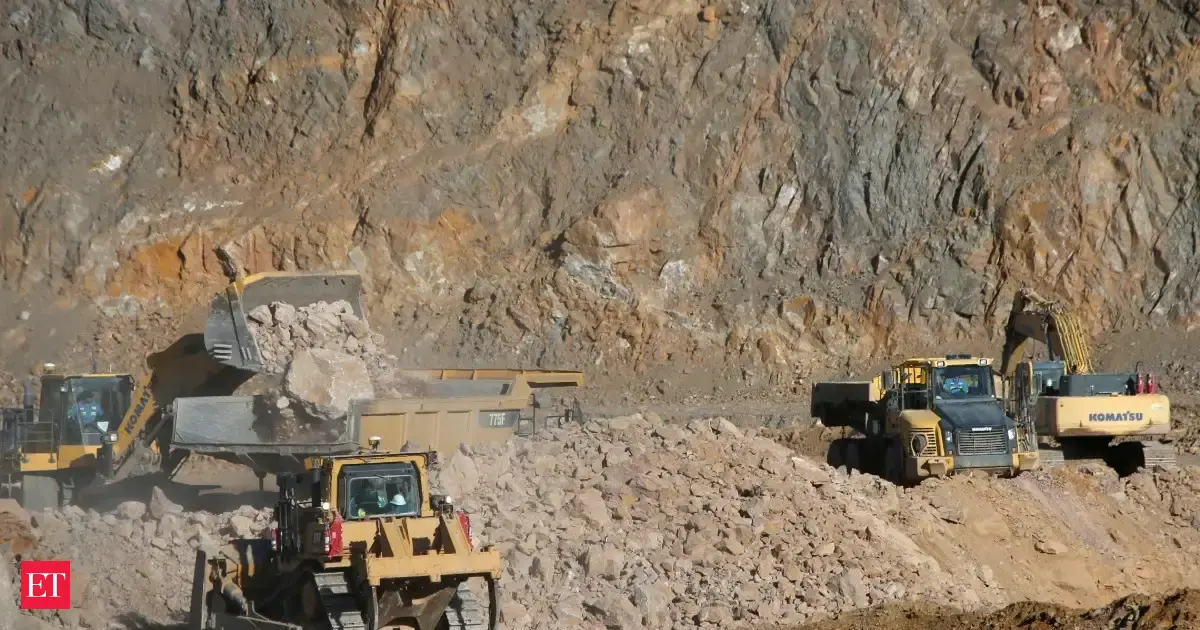
Researchers at West Virginia University have developed a process to extract critical rare earth minerals from polluted mine water, potentially creating a new domestic supply chain solution for the United States. The breakthrough addresses both environmental remediation and resource scarcity challenges simultaneously.

This development is significant for U.S. manufacturing and technology sectors, which have historically relied on imported rare earth minerals essential for electronics, renewable energy systems, and defense applications. The ability to recover these materials from existing mine water pollution could reduce environmental contamination while establishing a more resilient domestic supply of materials critical to advanced manufacturing.

Sources: NewsBreak

Electronics Manufacturing Cluster Approved for Chhattisgarh Under EMC 2.0 Scheme

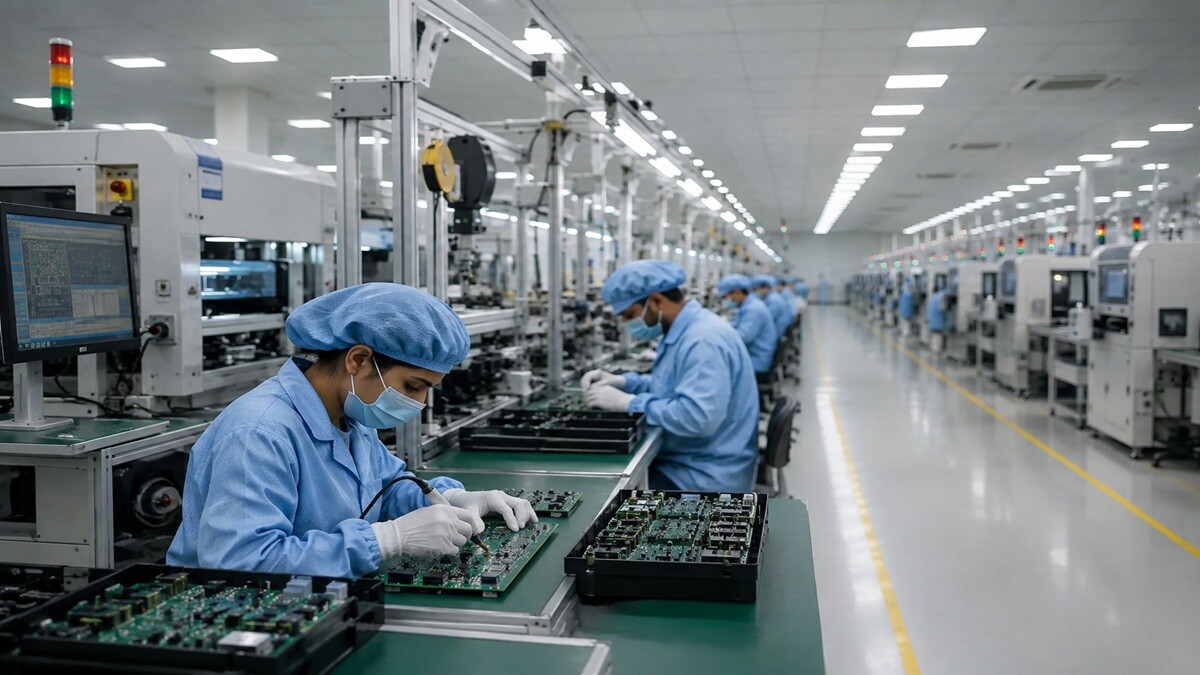
India's Union Ministry of Electronics and Information Technology has approved a major electronics manufacturing cluster for Rajnandgaon in Chhattisgarh state, with an estimated project cost of Rs. 432.08 crore. The ministry has committed Rs. 210.56 crore in central financial assistance for the facility, which is expected to generate approximately 9,000 jobs in the region.

The cluster will focus on semiconductors, electric vehicles, and smart electronics—sectors representing some of the fastest-growing segments of India's technology and manufacturing economy. This initiative aligns with broader government efforts to develop domestic manufacturing capabilities in critical technology areas and reduce dependence on imports in these strategically important sectors.

Sources: The Financial Express

Swaraj Suiting Limited Reports Strong Q1 Results and Secures Mainboard Listing Approvals

Swaraj Suiting Limited, an integrated textile manufacturer based in Bhilwara, Rajasthan, has reported strong financial results for the first quarter of fiscal year 2027 and received approval to migrate to the mainboard of both the National Stock Exchange and Bombay Stock Exchange. The company, which operates across grey fabric manufacturing, weaving, and yarn trading, has demonstrated consistent growth in revenue and profitability.

The mainboard migration represents a significant milestone for the textile company, reflecting its expanded operational scale and strengthened position within the textile value chain. Additionally, the company has secured Rs. 27.54 crore in subsidy support, which underscores government backing for domestic textile manufacturing and the company's strategic importance to India's textile sector.

Sources: The Tribune, ANI (Asian News International)

Food Tech Research and Incubation Centre Recognized as Leading Food Consultancy in Kerala

The Food Tech Research & Incubation Centre (FTRIC) in Kozhikode, Kerala, has been recognized as a leading food consultancy and research facility in the region. The centre focuses on bridging the gap between culinary innovation and industrial-scale food production, helping startup food ventures develop commercially viable products that meet modern manufacturing and regulatory standards.

The recognition reflects broader transformation occurring in South India's food processing sector, which is increasingly driven by demand for advanced preservation techniques, scalable manufacturing capabilities, and compliance with global regulatory requirements. FTRIC's emergence as a prominent player in this space underscores the growing importance of specialized research and incubation infrastructure in supporting the region's food technology ecosystem.

Sources: The Tribune, ANI (Asian News International)

US Government Invests $3 Billion in Critical Minerals and Battery Projects

The Trump administration is investing three billion dollars into critical minerals and battery projects to increase domestic production and strengthen national security. The initiative also includes significant investments in mining education programs across the nation.

This investment strategy aims to address concerns over weapons stockpiles and supply chain vulnerabilities by reclaiming America's position as a global minerals superpower. The program reflects growing recognition of the strategic importance of securing domestic sources of critical minerals essential for defense, energy, and technology sectors.

Sources: The Economic Times

India Plans Incentive Scheme for Domestic Polysilicon Production

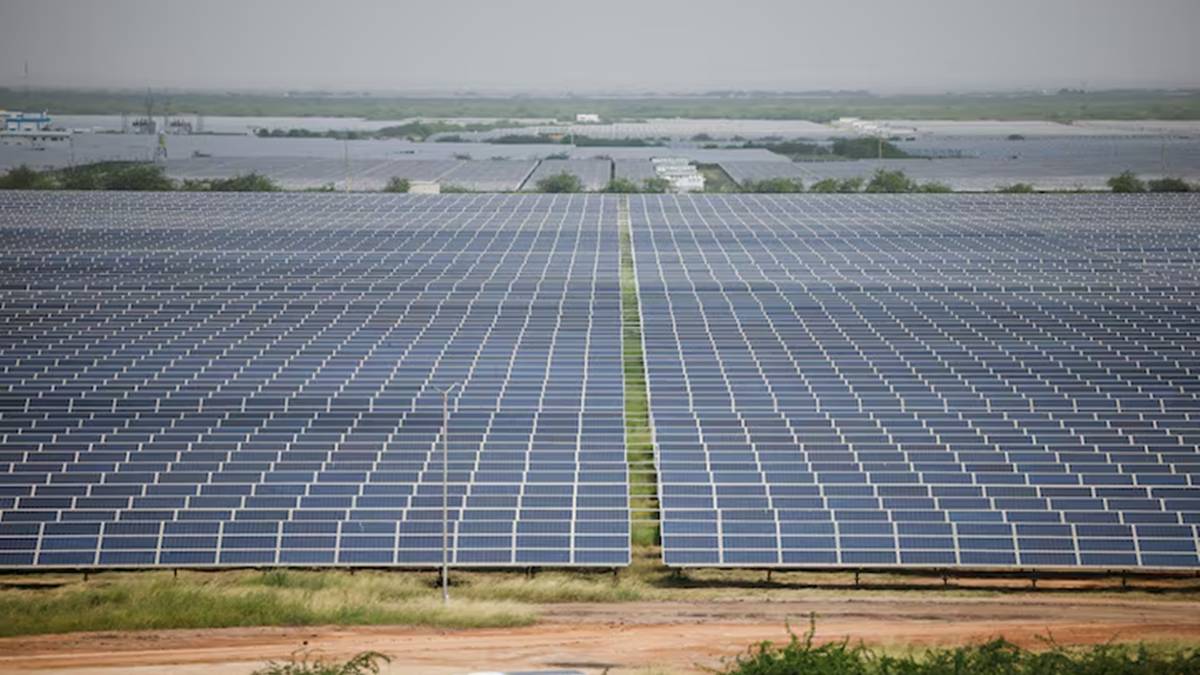
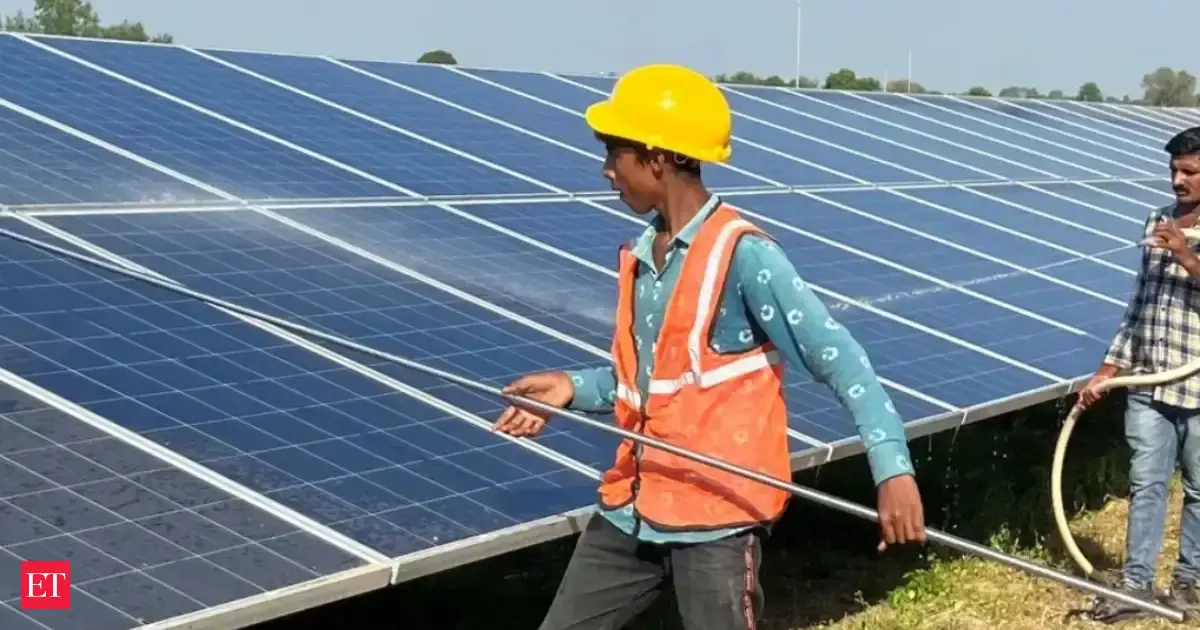
India is considering an incentive scheme to develop over 10 gigawatts of domestic polysilicon capacity, aiming to reduce reliance on Chinese imports and strengthen its solar manufacturing supply chain. Polysilicon is a critical material used in the production of ingots and wafers for solar panels.

This initiative extends India's domestic manufacturing push deeper into the solar value chain, where the country currently depends heavily on imported polysilicon. The move supports India's renewable energy growth targets and reflects the government's commitment to building a more self-sufficient and resilient solar energy sector.

Sources: The Financial Express

India Pursues Self-Reliance in Medical Device Manufacturing

India is advancing its medical technology sector as part of a broader strategy to achieve self-reliance in healthcare manufacturing. A robust medical devices industry creates high-value manufacturing opportunities and technological capabilities while simultaneously making healthcare more affordable and accessible to the population.

India has experienced significant expansion of healthcare infrastructure over the past decade, including growth in hospitals, primary health centers, diagnostic facilities, and medical colleges across both public and private sectors. Strengthening the domestic medical device manufacturing base complements this infrastructure development and supports the country's goal of reducing dependence on imported medical equipment.

Sources: Hindustan Times

SpaceX and Tesla Plan World's Largest AI Chip Manufacturing Facility in Texas

SpaceX and Tesla are establishing Terafab, a massive chip manufacturing plant in Grimes, Texas, that will become the world's largest building dedicated to AI chip production. The facility will manufacture AI chips for Optimus robots, Cybercabs, and space-based data centers at unprecedented scale.

This venture represents a major investment in domestic semiconductor manufacturing and reflects the growing demand for specialized AI chips across multiple industries. The project underscores the strategic importance of securing advanced chip production capacity for both autonomous vehicle development and space technology applications.

Sources: NewsBreak

India Approves Electronics Manufacturing Cluster in Chhattisgarh

The Government of India has approved the establishment of an Electronics Manufacturing Cluster 2.0 in Rajnandgaon district of Chhattisgarh. The project is expected to unlock approximately 3,000 crore rupees in investments and create around 9,000 jobs, representing a significant expansion of India's electronics manufacturing capabilities.

This approval marks an important step in India's broader effort to strengthen its electronics manufacturing ecosystem and reduce dependence on imports. The cluster initiative aligns with the country's strategic push toward self-reliance in high-technology sectors and aims to position India as a competitive hub for electronics production.

Sources: ANI (Asian News International)

New Engineering Institute in Gadchiroli Launches BTech Programs with Free Education

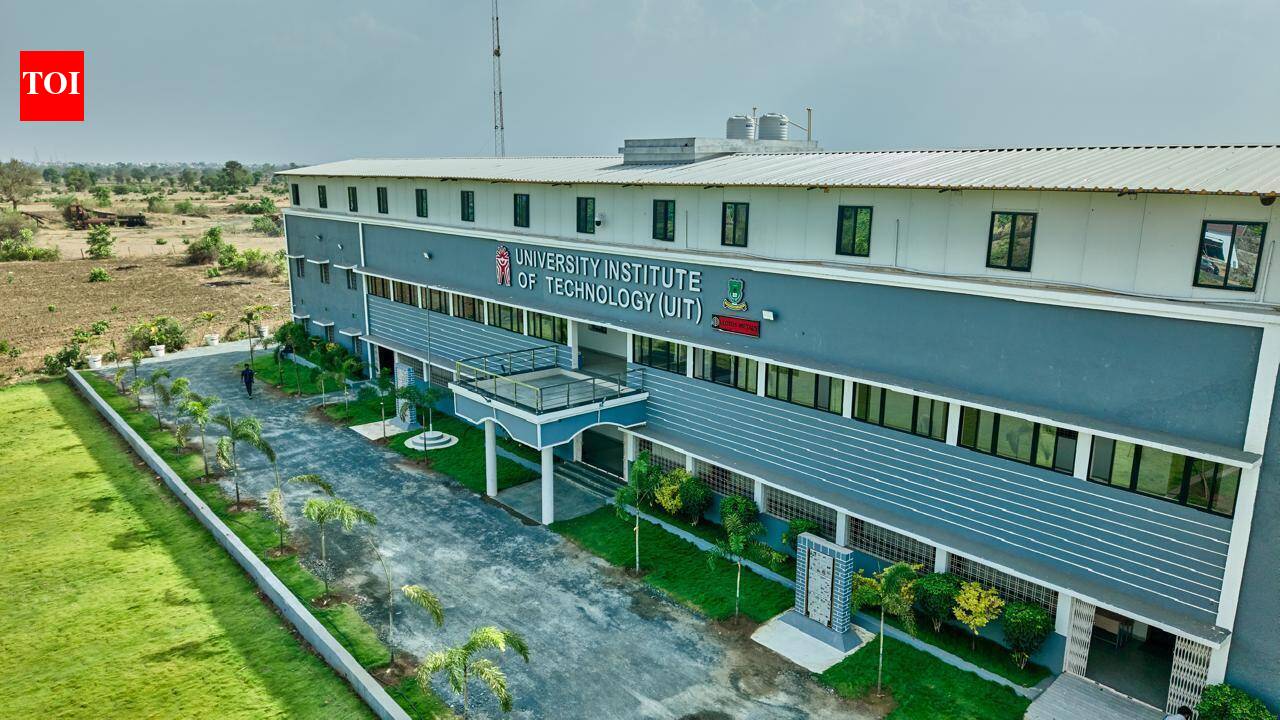
The University Institute of Technology in Gadchiroli, Maharashtra, has launched its first Bachelor of Technology programs with 120 available seats across Mining, Computer Science and Engineering, Metallurgy, and Manufacturing disciplines. The programs are offered free of charge to students, including complimentary hostel accommodations and meals, under a public-private partnership arrangement.

The launch of engineering education programs in Gadchiroli represents a significant development for a region historically affected by security challenges, bringing advanced technical education to an area where such opportunities were previously limited. The free education model removes financial barriers for students and aims to develop skilled professionals in critical engineering fields including mining and manufacturing. This initiative demonstrates how strategic investments in education infrastructure can support regional development and create pathways for students in underserved areas to pursue careers in engineering and technology.

Sources: Times of India

International Conference Addresses Mechanical Engineering Advances and Smart Manufacturing

An international conference on advances in mechanical engineering and emerging technologies opened at UCER Naini in Prayagraj, bringing together researchers and industry professionals to discuss innovations in mechanical engineering, artificial intelligence, automation, and smart manufacturing. The two-day event featured leadership from major industrial companies, including Tata Power's Chief of Operations and Maintenance.

The conference reflects growing emphasis on integrating advanced technologies such as AI and automation into mechanical engineering and manufacturing processes. By convening researchers and industry practitioners, the event facilitates knowledge exchange and collaboration on emerging trends in smart manufacturing and technological innovation. Such forums play an important role in advancing the field and fostering connections between academic research and industrial applications.

Sources: Times of India

Rangeview Secures U.S. Navy Contract for Advanced Manufacturing Services

California-based manufacturing company Rangeview has secured a contract to supply maintenance, repair, and overhaul replacement parts for the U.S. Navy, supporting the government's onshoring efforts. The company operates an advanced investment casting foundry that employs robotics, software, and digital tooling to replace conventional manufacturing dies with digital production workflows.

Rangeview's Navy contract reflects broader U.S. government initiatives to strengthen domestic manufacturing capabilities and reduce reliance on overseas suppliers for critical defense components. The company's tool-less manufacturing process represents an innovative approach to precision casting that combines automation with digital technologies, potentially offering advantages in flexibility, speed, and cost efficiency. This contract demonstrates growing government interest in supporting advanced manufacturing technologies that can enhance domestic production capacity for defense applications.

Sources: Interesting Engineering

Government Explores Enhanced Incentives for Polysilicon Manufacturing

The government is exploring a new incentive scheme specifically targeting polysilicon manufacturing to strengthen domestic production capabilities in the solar energy sector. This initiative builds on existing production-linked incentive programs that currently support solar module manufacturing, including modules, cells, ingot-wafers, and polysilicon production.

The exploration of enhanced polysilicon incentives reflects government efforts to develop a more comprehensive and competitive domestic solar manufacturing ecosystem. By potentially offering targeted support for polysilicon production, policymakers aim to reduce import dependence and build integrated supply chains for solar energy components. This approach recognizes polysilicon as a critical upstream input for solar panel manufacturing and seeks to strengthen India's position in the global renewable energy supply chain.

Sources: The Economic Times

BYD Shifts European Manufacturing Strategy, Suspends Turkish Factory Plans

Chinese electric vehicle manufacturer BYD has placed its planned $1 billion electric and plug-in hybrid vehicle factory in Manisa, western Turkey, on indefinite hold as of June 2026. The decision marks a significant shift in the company's European investment strategy, following an initial agreement signed with considerable fanfare in July of the previous year.

The suspension of BYD's Turkish manufacturing project reflects changing market conditions and strategic priorities for the Chinese automaker's European expansion. The decision to pause the Manisa facility suggests BYD may be reassessing its approach to European market entry, potentially considering alternative locations or manufacturing strategies. This shift underscores the challenges that Chinese electric vehicle manufacturers face in establishing manufacturing operations in Europe, where regulatory requirements, market dynamics, and geopolitical considerations continue to evolve.

Sources: Middle East Monitor

Scholar Rock Removes Novo Nordisk Facility from FDA Application for Neuromuscular Drug

Biopharmaceutical company Scholar Rock announced it would remove Novo Nordisk's Indiana manufacturing facility from its FDA application seeking approval for apitegromab, a drug intended to treat a rare neuromuscular disease. The decision follows the FDA's previous rejection of the drug application, which cited issues identified during a routine inspection of the Indiana fill-finish facility operated by the third-party manufacturer.

The removal of the manufacturing facility from the application represents a significant setback for the drug's approval pathway and reflects regulatory concerns about the production facility's compliance with FDA standards. Scholar Rock's decision to pursue an alternative manufacturing arrangement suggests the company is working to address the FDA's previous objections and improve its chances for future approval. This situation highlights the critical importance of manufacturing quality and regulatory compliance in pharmaceutical development, particularly for specialized therapies targeting rare diseases.

Sources: Reuters

Saputo Expands North American Dairy Manufacturing to Capitalize on Protein Demand

Montreal-based dairy producer Saputo is planning to expand its manufacturing operations across Canada and the United States to meet growing consumer demand for protein-rich products. The company intends to increase processing capacity for concentrated whey, cottage cheese, and high-protein ready-to-drink beverages, positioning itself to capitalize on the "protein-maxxing" trend among consumers.

Saputo's expansion strategy reflects broader industry recognition of shifting consumer preferences toward higher-protein food products. By investing in North American manufacturing capacity, the company aims to strengthen its position in a growing market segment while maintaining proximity to key consumer markets. The focus on specialized protein products demonstrates how traditional dairy producers are adapting their operations to meet evolving dietary trends and consumer preferences.

Sources: The Globe and Mail

Sila Receives $1.4 Billion Pentagon Loan for Battery Manufacturing Expansion

Battery technology company Sila has secured a conditional loan commitment of up to $1.4 billion from the U.S. Department of Defense to expand its manufacturing facilities for silicon-carbon anodes and lithium-ion battery cells. The Pentagon funding represents a significant investment in domestic battery production capacity, reflecting U.S. government priorities around securing advanced battery technology supply chains.

The loan commitment underscores the strategic importance of battery technology for defense applications and electric vehicle adoption. By supporting domestic manufacturing of advanced battery components, the Pentagon is working to reduce reliance on foreign suppliers and strengthen the U.S. industrial base in a critical technology area. This investment aligns with broader government efforts to accelerate the transition to electric vehicles and secure domestic sources for key energy storage components.

Sources: Reuters

IIT Bombay-Incubated Auto-Tech Company Dominates Motorcycle Electronics Market

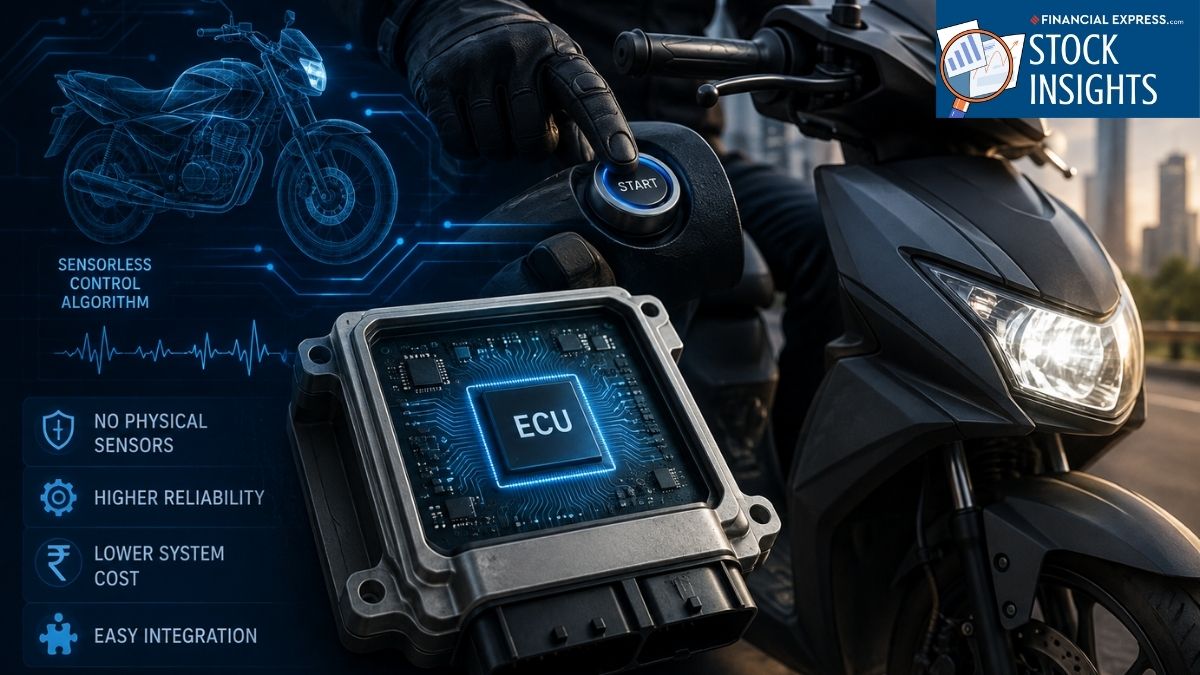
An engineering institute-incubated software company has built a dominant position in a specialized automotive technology segment, controlling 80 percent market share in electronic systems for two-wheelers. The company has achieved a 40 percent return on capital employed by focusing on software capabilities rather than manufacturing infrastructure, particularly in stop-start technology that activates when riders press the self-starter switch on motorcycles and scooters.

The company's success demonstrates how a software-focused approach can create sustainable competitive advantages in automotive technology, even in niche segments. By building a strong technological moat through software rather than relying on traditional manufacturing capacity, the firm has achieved premium valuations and exceptional returns on capital. This model highlights the growing importance of digital and electronic systems in two-wheeler vehicles and the potential for specialized technology providers to capture significant market value.

Sources: The Financial Express

India's Metal Exports Surge on Global Electrification Demand

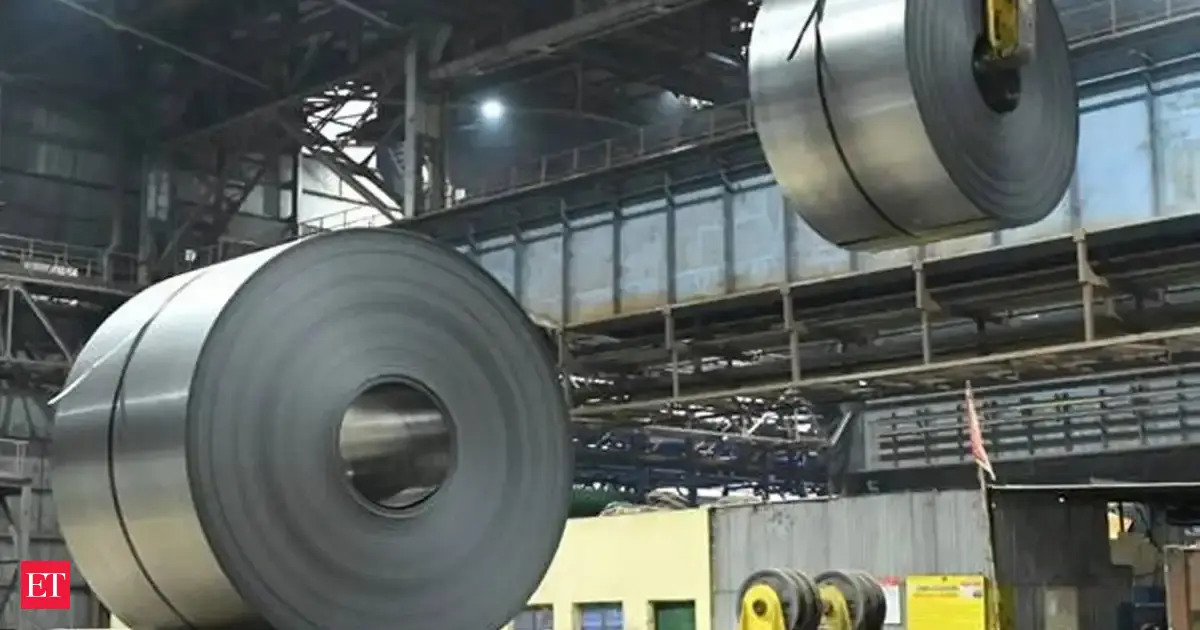
India is experiencing a significant increase in exports of key metal intermediates, driven by growing global demand for electrification and integration into international manufacturing supply chains. Aluminium alloy exports climbed 24 percent to reach $1.29 billion, while insulated copper winding wire exports accelerated 58 percent with the United States as a leading destination. Refined lead exports also rose 56 percent, primarily driven by demand from Asian markets.

These export gains reflect India's expanding role in global manufacturing networks, particularly in sectors tied to electrification and renewable energy transitions. The strong performance across multiple metal intermediates suggests that Indian producers are well-positioned to supply the growing demand for components used in electric vehicles, renewable energy systems, and other electrification-related applications. The diversification of export destinations, with both developed and emerging markets showing strong demand, indicates robust market fundamentals for Indian metal producers.

Sources: The Economic Times