Global News Hub

Next refresh

← Back to News from Manufacturing

News from Manufacturing — Archive

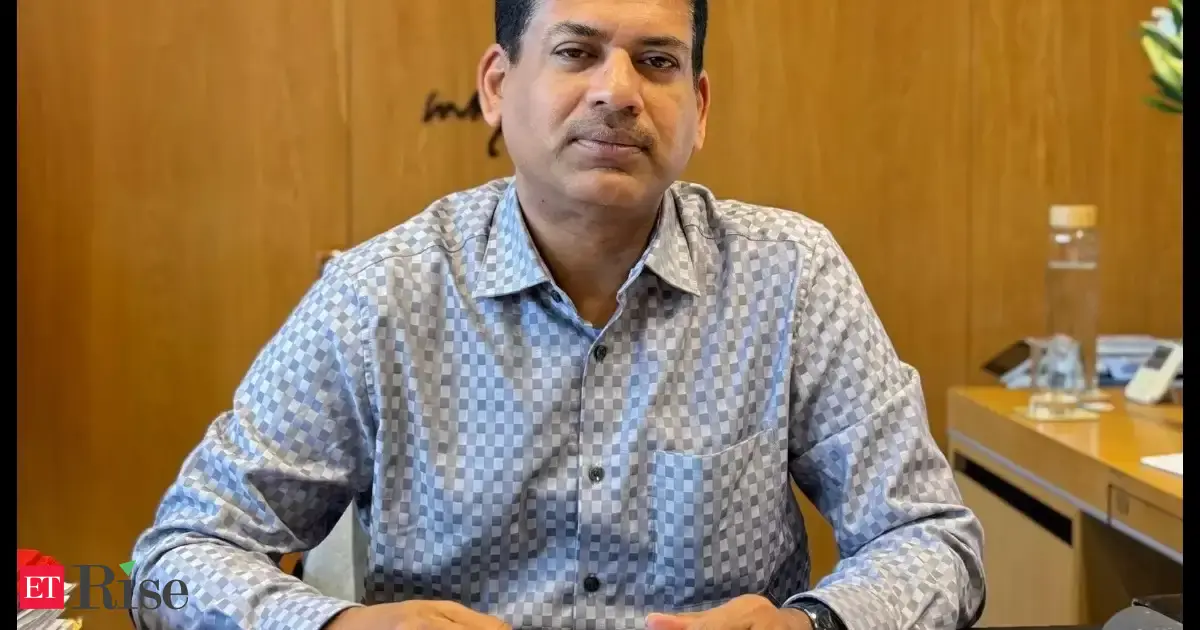
Sadhguru Discusses Mind's Role in Creating Suffering Through Repetitive Thoughts

Sadhguru, an Indian spiritual teacher, has published insights on the relationship between the mind and suffering, explaining that distress is not simply imposed externally but is generated internally through mental processes. Using the metaphor of the mind as a manufacturing unit, he describes how repetitive thoughts and emotions can intensify psychological suffering.

Sadhguru's teachings emphasize the importance of conscious attention and awareness, noting that focus naturally gravitates toward whatever individuals consider important. His message encourages people to observe their thought patterns and become more mindful of where they direct their mental energy, suggesting that greater consciousness can reduce self-generated suffering.

Sources: The Economic Times

Stockwell Elastomerics Invests $8 Million to Expand Philadelphia Manufacturing Operations

Stockwell Elastomerics has announced an investment exceeding $8 million to expand its manufacturing operations and production capacity at its Philadelphia headquarters. The expansion includes acquisition of an adjacent facility and construction of a 38,000-square-foot building, bringing the company's total campus footprint to more than 100,000 square feet.

The company expects to complete planning, infrastructure improvements, and renovations during 2026, with production operations scheduled to commence in 2027. The expansion reflects Stockwell Elastomerics' commitment to increasing manufacturing capacity and strengthening its technical workforce to meet growing market demand.

Sources: RubberWorld

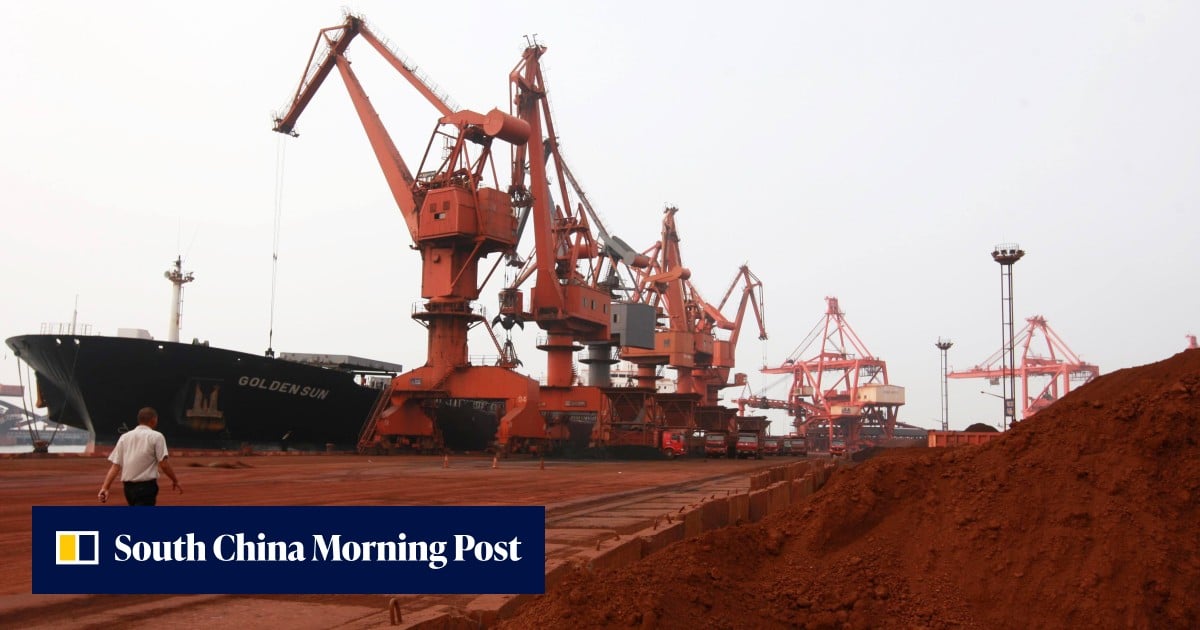
China's Rare Earth Producers Report Strong First-Half Profits Amid AI Supply Chain Expansion

China's rare earth producers have reported or anticipated substantial first-half profits, with the sector benefiting from rapid expansion of artificial intelligence supply chains that have driven strong upward momentum in rare earth prices. The profitability gains have persisted despite Beijing's use of rare earth minerals as leverage in trade relations with Japan and the United States.

The strong performance of China's rare earth sector reflects the critical role these strategically important minerals play in modern technology manufacturing, particularly in AI and advanced electronics. The sector's resilience demonstrates that normal commercial activity continues despite geopolitical tensions, as global demand for rare earth elements remains robust.

Sources: South China Morning Post

Malaysia's Ministry Strengthens Electrical and Electronics Sector Position in Global Supply Chain

Malaysia's Ministry of Investment, Trade and Industry (MITI) is continuing efforts to strengthen and empower the country's electrical and electronics sector to maintain its status as a critical player in the global technology supply chain. The ministry's ongoing initiatives aim to enhance the sector's competitiveness and attractiveness for investment.

Malaysia's strategic focus on the E&E sector reflects the country's recognition of its importance to the broader technology industry and global manufacturing networks. By supporting sector development, Malaysia seeks to secure its position as a reliable and advanced manufacturing hub in an increasingly competitive international market.

Sources: The Star

INEOS Styrolution Closes Illinois Polystyrene Facility, Affecting 94 Employees

INEOS Styrolution has announced the closure of its polystyrene production facility in Channahon, Illinois, which has operated since 1960. The facility closure will result in the layoff of 94 employees, marking the end of more than six decades of manufacturing operations at the site.

The closure reflects broader shifts in the chemical manufacturing industry and company strategic decisions regarding production footprint optimization. The decision, announced in June, represents a significant change for the local community and workforce that has depended on the facility for employment.

Sources: Peoria Journal Star

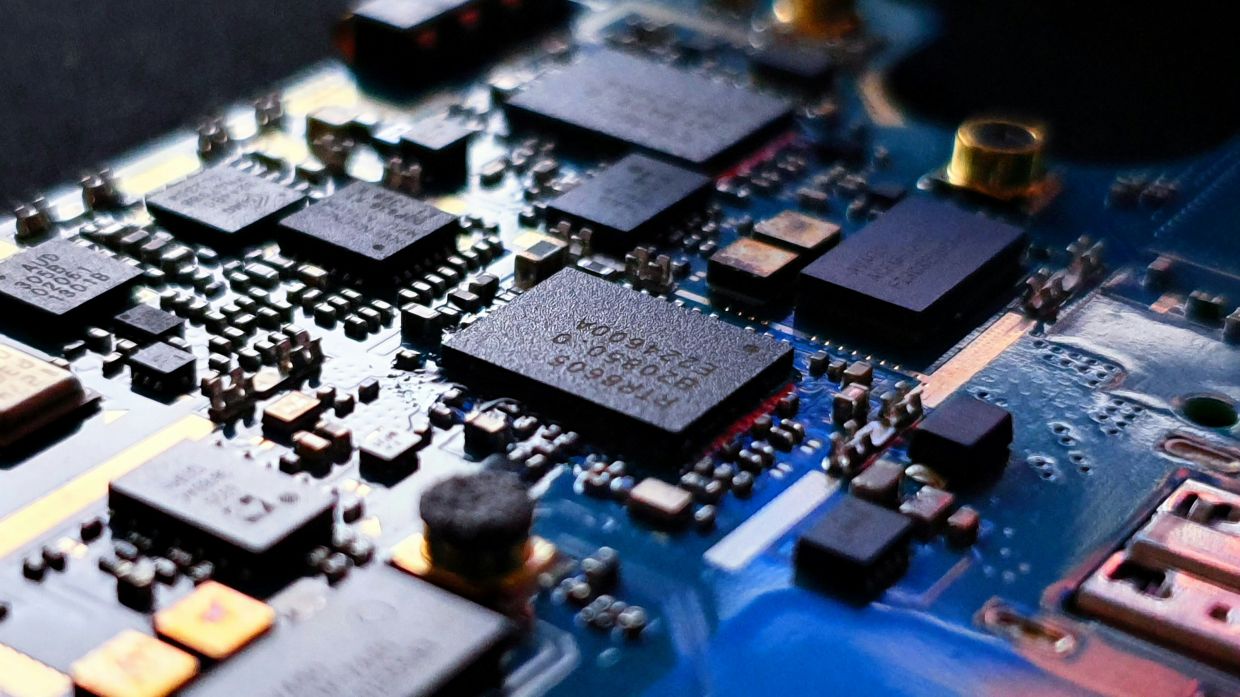
TSMC Reports Strong July Revenue Growth of 44.7% Year-Over-Year

Taiwan Semiconductor Manufacturing Company (TSMC) reported July 2026 revenue of approximately 467.58 billion New Taiwan dollars, equivalent to $16.03 billion, representing a 44.7% increase compared to July 2025. The substantial year-over-year growth demonstrates robust demand for the company's semiconductor manufacturing services.

TSMC's strong revenue performance reflects continued expansion in global semiconductor demand, particularly driven by artificial intelligence and advanced computing applications. The company's consistent growth trajectory underscores its position as a critical player in the global technology supply chain and its ability to scale production to meet market needs.

Sources: The Tribune, ANI (Asian News International)

Thermo Fisher Scientific Targets 15%-20% Customer Growth in India Over Five Years

Thermo Fisher Scientific, a U.S.-based provider of laboratory equipment, analytical instruments, and genetic analysis products, is targeting a 15%-20% increase in its customer base across India over the next five years. The company's growth strategy is driven by expanding demand from the biopharma research and manufacturing sectors, which are experiencing rapid development in the country.

The company's optimistic outlook reflects confidence in India's emerging biopharma ecosystem and the rising need for advanced laboratory and drug development solutions. Thermo Fisher's focus on the Indian market aligns with broader industry trends of companies establishing or expanding operations in regions with growing pharmaceutical research and manufacturing capabilities.

Sources: Reuters

Sony and TSMC Partner on $6.3 Billion Investment in Japan for Advanced Image Sensor Production

Sony and Taiwan Semiconductor Manufacturing Company (TSMC) have announced a joint investment of approximately 1 trillion yen, equivalent to $6.3 billion, to establish dedicated manufacturing capacity for next-generation image sensors in Japan. The collaboration represents a significant commitment to advancing semiconductor technology and strengthening production capabilities in the region.

This partnership combines Sony's expertise in imaging technology with TSMC's advanced semiconductor manufacturing capabilities, positioning the companies to meet growing global demand for high-performance image sensors. The investment underscores the strategic importance of Japan as a manufacturing hub and reflects broader industry trends toward securing supply chains and advancing next-generation semiconductor technologies.

Sources: The News International

Ion Exchange Announces FY27 Strategic Restructuring with Capacity Expansion Plans

Ion Exchange (India) Limited has unveiled its financial year 2027 strategy through a restructuring into five reporting segments: Treatment Solutions, Industrial Products, Lifecycle Services, Specialty Chemicals, and Consumer Products. The company plans significant capacity expansions at its Ankleshwar facility, including a 5-fold increase in industrial resin production capacity and a 6-fold expansion in pharma resin manufacturing. Additional strategic initiatives include establishing India's first Non-Solvent Resin facility and expanding membrane manufacturing operations in Goa.

The restructuring reflects Ion Exchange's focus on emerging growth sectors and technological advancement. The company is investing in new areas including lithium extraction and digital asset management through AI-powered tools, positioning itself to capitalize on evolving market demands in the chemical and pharmaceutical industries. The investor presentation was filed with India's stock exchanges on August 10, 2026, signaling management's commitment to delivering substantial growth across its diversified business segments.

Sources: scanx.trade

Decentralized Manufacturing Models Could Enhance Global Economic Resilience

A perspective piece explores the potential benefits of decentralized manufacturing approaches, suggesting that countries equipped with their own research institutions, technology development labs, and industrial production capabilities could devise solutions tailored to their specific circumstances. This model would enable nations to build systems and equipment at precisely the scale required by their local economies.

The analysis presents an optimistic scenario for global manufacturing organization, where each country leverages its understanding of local challenges to create adapted solutions rather than relying entirely on centralized global supply chains. Such an approach could enhance economic resilience and reduce dependencies on distant manufacturing hubs, though implementation would require significant investment in domestic industrial infrastructure and technological capacity.

Sources: EUROPE SAYS

Chinese Robotics Firm Unitree Prepares Shanghai IPO to Raise 6.1 Billion Yuan

Unitree, a Chinese robotics manufacturer known for producing affordable quadruped and humanoid robots, is preparing to launch an initial public offering on the Shanghai stock exchange with a target of raising 6.1 billion yuan. The IPO is priced at 150.8 yuan per share and marks a significant milestone as Unitree seeks to become the first mainland-listed humanoid robotics company.

The company competes globally in the robotics sector, including against established players like Tesla, and has demonstrated notable revenue growth that reflects China's expanding capabilities in robotics manufacturing. However, the broader market for humanoid robots remains primarily concentrated in academic research and experimental applications, suggesting significant growth potential as the technology matures and commercial applications expand.

Sources: Devdiscourse

Man Arrested in Ludhiana for Attacking Landlord and Molesting His Wife

Police in Ludhiana arrested Gurpreet Singh, a resident of Pandarwal village in Shaheed Bhagat Singh Nagar district, on charges of attacking his landlord and molesting the landlord's wife. Singh operates a sewing-machine manufacturing unit on the ground floor of the complainant's residence.

The 32-year-old woman filed a complaint detailing the alleged assault and harassment. The incident highlights tensions that can arise between commercial tenants and property owners, particularly when manufacturing operations are conducted within residential properties.

Sources: Hindustan Times

India's New Tax Bill Extends Incentives for Electronics Manufacturing and Data Centres

The Taxation and Other Laws Amendment Bill, 2026, extends tax incentives for electronics manufacturing and eases regulations for data centres to attract long-term global investment. The legislation extends income-tax exemptions for foreign companies engaging Indian contract manufacturers to produce specified electronic goods until March 31, 2041, and provides a 15-year tax exemption for foreign companies storing electronics in India.

The reforms aim to provide greater tax certainty and accelerate capacity creation in India's manufacturing and digital infrastructure sectors. By offering extended tax benefits and streamlined regulatory frameworks, the bill seeks to strengthen India's position as a global hub for electronics manufacturing and data centre operations, competing with other countries for multinational investment in these strategic industries.

Sources: Business Today

India's Energy Transition Must Electrify Industrial Heat, Says Analysis

India's energy transition strategy should prioritize the electrification of industrial heat to enhance manufacturing competitiveness and advance sustainable decarbonization, according to analysis published in The Hindu. The nation is already mainstreaming renewable-powered electrification across major demand centres, with electric mobility replacing combustion engines and solar power increasingly powering agricultural irrigation and building systems.

Electrifying industrial heat represents a critical next frontier for India's energy transition, as the industrial sector accounts for a significant portion of the country's energy consumption and carbon emissions. By shifting industrial heat generation from fossil fuels to electricity powered by renewable sources, India can simultaneously reduce its carbon footprint and improve the efficiency and competitiveness of its manufacturing sector.

Sources: The Hindu

Parliamentary Panel Urges Defence PSUs to Accelerate Project Execution

A parliamentary standing committee on defence has called on India's defence public sector undertakings to translate their strong order books into faster project execution and adherence to delivery schedules. The committee reviewed the performance of nine defence PSUs, including Hindustan Aeronautics Limited and Bharat Electronics Limited, which collectively maintain substantial backlogs of defence contracts.

The panel's recommendation emphasizes the need for these state-owned enterprises to expand manufacturing capabilities and meet committed timelines to strengthen India's defence industrial base. With robust order books indicating sustained demand for defence equipment and systems, the committee stressed that timely execution is critical to maintaining India's strategic capabilities and supporting the broader defence manufacturing ecosystem.

Sources: Hindustan Times

Sealed Edible Oil Factory Discovered Operating Illegally in Hyderabad

An edible oil manufacturing unit that had been previously sealed for violating food safety laws was found secretly operating in the SITE area of Hyderabad. The facility had been shut down after authorities discovered it was producing oil from discarded chicken waste, a practice that violates food regulations.

The Assistant Commissioner of Latifabad taluka took action to reseal the facility after discovering its illegal resumption of operations. The incident underscores ongoing enforcement challenges in monitoring food manufacturing units and the risks posed to public health when facilities circumvent safety regulations.

Sources: The Nation

India Pursues Polysilicon Manufacturing Incentives to Boost Solar Capacity

India's Ministry of New and Renewable Energy is considering an incentive scheme to expand polysilicon manufacturing as part of the nation's broader renewable energy expansion strategy. The country is targeting 500 gigawatts of renewable energy capacity by 2030, with government support aimed at strengthening domestic solar module and cell production capabilities.

The initiative reflects India's ambition to reduce dependence on imported materials and establish itself as a leading global solar manufacturer. By fostering polysilicon production through targeted incentives, India aims to create a more vertically integrated renewable energy supply chain and enhance its competitive position in the global solar industry.

Sources: The Economic Times

Kaynes Technology Stock Declines Following Weak Quarterly Results

Shares of Kaynes Technology, an electronics manufacturing services firm, dropped 8% following the release of its first-quarter results for fiscal year 2027. The company reported a 24.4% year-over-year decline in net profit to 56.4 crore rupees, though revenue increased 40.5% to 946 crore rupees and EBITDA rose 29.5% to 147.5 crore rupees.

The decline in profitability despite strong revenue growth reflects margin compression in the sector, with the company's EBITDA margin narrowing to 15.6% from 16.7% in the prior year. Analysts from firms including Nomura and Motilal Oswal have weighed in on the results, indicating investor concern about the company's ability to maintain profitability amid rising operational pressures.

Sources: The Economic Times

Fire at Riyadh Sofa Factory Kills 16 Bangladeshi Workers

At least 16 Bangladeshi nationals died in a fire at a sofa manufacturing facility located in the Musa Sanaiya area of Riyadh, Saudi Arabia. The Bangladesh Ministry of Foreign Affairs confirmed the deaths on Monday and expressed condolences to the families of the victims.

The incident highlights ongoing workplace safety concerns in industrial facilities across the Middle East, where many migrant workers from South Asia are employed. Bangladesh has a significant expatriate workforce in Saudi Arabia, and such industrial accidents underscore the risks faced by workers in manufacturing sectors in the region.

Sources: ANI (Asian News International)

China Pursues Export-Driven Strategy to Counter Domestic Economic Slowdown

China is actively pursuing aggressive export strategies to revitalize its slowing domestic economy, a phenomenon that Western governments have characterized as 'China Shock 2.0.' The strategy leverages the country's competitive advantages in manufacturing and technology sectors to drive international sales and generate economic growth despite weakening domestic demand.

While this export-focused approach is generating opportunities for certain Chinese industries, particularly in advanced manufacturing and green technology sectors, it is simultaneously creating friction in international trade relationships. The strategy reflects Beijing's policy choices to maintain economic momentum by dominating global markets, though it is sparking tensions with trading partners who view the surge in Chinese exports as disruptive to their own economies.

Sources: Devdiscourse